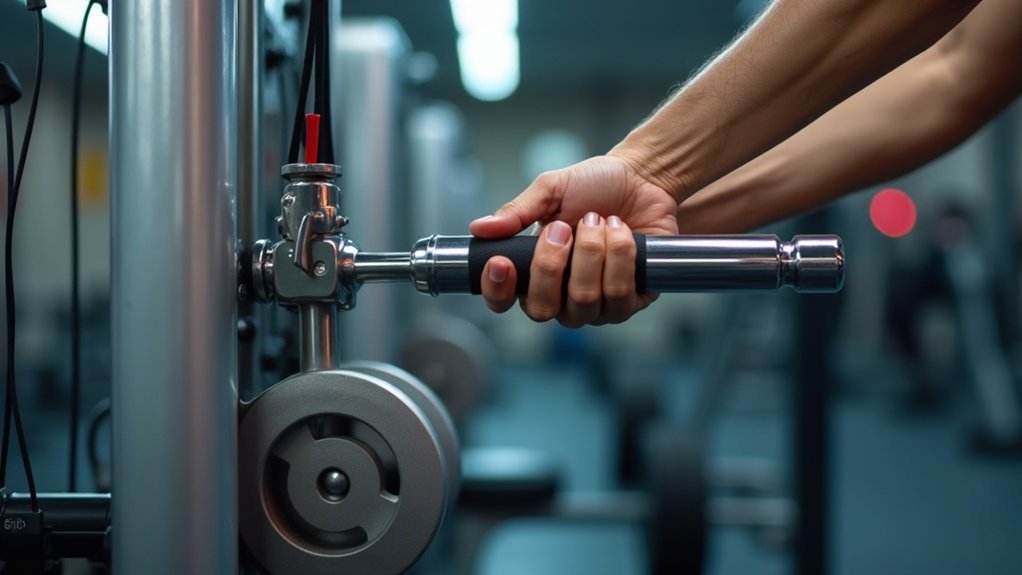
To swap cables on your functional trainer at home, start by disconnecting the power and removing all weights for safety. It’s a good idea to document the current cable setup with photos for easy reference later. Using a 3/16 hex wrench, carefully detach the old cables from the pulleys and the weight stack. Route the new cables through the pulleys, ensuring they are properly aligned, and securely connect them. After installation, test the equipment to ensure smooth operation. Following these steps not only enhances your safety but also improves the performance of your home gym equipment, helping you stay healthy and fit right from the comfort of your home. Check out more helpful tips below to maximize your workout experience!
Key Takeaways
- Before swapping out cables on your functional trainer, prioritize safety by disconnecting the power source and removing all weights.
- Capture the current cable configuration with photos or diagrams; this will help ensure you get the new cables installed correctly.
- Carefully detach the old cables from the pulleys and weight stack, paying attention to their routing for future reference.
- Route the new cables through the pulleys, making sure they are properly aligned and securely connected to avoid any issues during your workouts.
- After installation, test the equipment to ensure smooth operation and confirm that everything is functioning as it should, so you can get back to your home fitness routine with confidence.
Why Replace Gym Cables?
When it comes to ensuring the safety of your home workouts, replacing gym cables should be a top priority.
Gym cables are often the most worn components of strength training equipment, much like car tires. Look out for signs of wear, such as fraying, twisting, or bumps, as these can indicate potential safety risks.
Gym cables can wear down like car tires; inspect for fraying, twisting, or bumps to ensure your safety during workouts.
Regularly replacing damaged cables not only enhances your safety but also minimizes the risk of cable failure during your workouts, helping you avoid injuries. Ignoring worn cables can lead to equipment malfunction, costly repairs, or even further damage.
To maintain a safe and effective home exercise environment, make sure to conduct timely inspections and replacements of your gym cables.
Prioritize your health and safety as you work towards your fitness goals at home!
Types of Replacement Gym Cables
When choosing replacement gym cables for your home gym, it’s important to explore the various material options, including steel and coated cables, each providing distinct advantages in terms of durability and performance.
Make sure to verify compatibility with your functional trainer by checking the equipment manual. This step ensures that the cables fit properly and cater to your specific workout needs, helping you maintain a healthy and effective exercise routine at home.
Cable Material Options
Choosing the right cable material for your home gym’s functional trainer is crucial for optimal performance and safety. The cable system you select directly affects durability and usability, making it an important factor in your workout experience.
Here are some cable material options to consider:
- Steel Cables: The most durable choice, perfect for handling heavy loads and ensuring long-lasting performance.
- Coated Cables: These cables come with a protective layer that reduces friction, ultimately extending their lifespan and enhancing safety during use.
- Vinyl-Coated Cables: Lightweight and corrosion-resistant, these cables are an excellent option for home gyms, combining ease of use with durability.
- Compatibility: Always check your equipment manual to ensure you choose cables that fit your specific functional trainer model.
- Professional Advice: Don’t hesitate to consult fitness experts or trainers for personalized recommendations on the best cable selection for your unique workout needs.
Each cable option offers distinct advantages, allowing you to select the best fit for your home workout regimen and fitness goals.
Compatibility With Equipment
Selecting the right replacement cables for your home gym’s functional trainer is crucial for ensuring both safety and optimal performance. Each machine may have specific compatibility requirements, so it’s important to consult your equipment manual for the exact cable size and specifications.
Using incompatible cables can lead to mechanical failure or even injury, which is the last thing you want as you work towards your fitness goals.
For heavy loads, steel cables are highly recommended due to their exceptional durability. Conversely, if your workouts involve moderate loads, vinyl-coated cables are a great option as they’re lightweight and corrosion-resistant, making them perfect for home gym setups.
To achieve the best results and ensure your equipment is functioning safely, consider reaching out to professionals or reputable suppliers. This way, you can confidently select the correct cables that will enhance both the performance and longevity of your functional trainer, helping you stay committed to your health and fitness journey at home.
Tools Required for Cable Replacement
To successfully replace cables on your functional trainer and maintain your home gym, you’ll need some essential tools and safety equipment.
Start by gathering a 3/16 Hex or Allen wrench for removing screws, and keep some tape or ties handy to secure the pulleys during the replacement process.
Additionally, consider having maintenance supplies like silicone spray on hand to ensure your new cables operate at peak performance, helping you stay fit and healthy from the comfort of your home.
Necessary Tools Overview
When preparing to replace the cables on your functional trainer, having the right tools at your disposal is essential for a hassle-free experience.
Here’s a list of necessary tools to ensure your gym equipment cable replacement goes smoothly, allowing you to stay committed to your home fitness routine:
- 3/16 Hex or Allen Wrench for screws
- Tape or ties to secure floating pulleys during the process
- Silicone spray lubricant to ensure smooth operation
- Camera or notepad to document cable routing for easy reassembly
- Safety precautions such as disconnecting power and removing weights to keep you safe while you work
Equipping yourself with these tools will help you maintain your home gym equipment effectively, supporting your journey towards a healthier lifestyle.
Safety Equipment Considerations
Replacing cables on a functional trainer in your home gym requires careful attention to safety equipment considerations.
First, ensure your safety by disconnecting the power source and removing all weights or resistance. You’ll need a 3/16 Hex or Allen wrench to securely remove screws.
To prevent tangling and potential injury, use tape or ties to keep floating pulleys in place during the process. Regularly inspect your tools to ensure the wrench is in good condition, helping you avoid accidents.
Document the cable setup with photos or diagrams to assist in accurate reinstallation. Always check for any damaged cable before starting to ensure a smooth and safe replacement, allowing you to continue your home workouts without interruption.
Maintenance Supplies Needed
Having the right maintenance supplies is essential for a seamless cable replacement on your functional trainer, ensuring your home gym remains in top condition for your fitness journey.
Gather the following tools to guarantee efficiency and keep your workouts uninterrupted:
- 3/16 hex or Allen wrench for safely detaching screws
- Tape or ties to secure floating pulleys during the process
- Silicone spray lubricant to keep cables and pulleys operating smoothly
- Documentation tools like a camera to capture cable setup photos for future reference
- Replacement cable kit that’s compatible with your specific model
With these items ready, you’ll streamline the cable replacement process, reduce tangling, and ensure smooth operation after installation.
Proper preparation makes a significant difference in achieving a successful cable replacement, allowing you to focus on your fitness goals with confidence.
Steps for Cable Replacement
To ensure a safe and effective cable replacement on your functional trainer at home, begin by disconnecting the power source and removing all weights.
Ensure safety by disconnecting the power and removing weights before replacing cables on your functional trainer.
Capture the existing cable setup with photos or diagrams for easy reference later.
Carefully detach the old cable from the pulleys and weight stack, taking note of any guide bushings that may need to be reinstalled.
Next, route the new cable from the weight stack through the pulleys, ensuring proper alignment and avoiding any obstructions.
Finally, test the equipment to confirm smooth operation and secure connections before using your functional trainer.
This process not only guarantees safety but also enhances the functionality of your home workouts, helping you stay healthy and fit.
Maintenance Tips for Gym Cables
While maintaining your home gym cables might seem tedious, it’s essential for ensuring safety and optimal performance during your workouts.
Follow these maintenance tips to keep your cables in top shape:
- Regularly inspect cables for fraying, twisting, or visible damage to ensure a safe workout environment.
- Lubricate moving parts, including cables and pulleys, with silicone spray to maintain smooth operation.
- Adhere to the manufacturer’s guidelines for maintenance and replacement schedules to prolong the life of your equipment.
- Keep a maintenance log to track the condition of your cables and replacement dates, helping you stay organized.
- Educate all users on the importance of cable integrity to minimize safety risks and enhance performance.
Benefits of Regular Cable Replacement
Replacing gym cables regularly is crucial for anyone setting up a home gym, as it significantly enhances both safety and performance. By ensuring your cables are in optimal condition, you reduce the risk of cable failure during workouts, which minimizes the chances of injury.
Consistent resistance and smooth operation from new cables lead to more effective strength training sessions, allowing you to maximize your fitness potential at home.
Additionally, replacing worn cables can extend the lifespan of your home gym equipment by preventing undue strain on other components. Regular maintenance not only keeps you safe but can also save you money in the long run by avoiding costly repairs or the need for full equipment replacements.
Timely cable replacements create a secure exercise environment, empowering you to train confidently without concerns about equipment malfunction. Whether you’re a seasoned athlete or just starting your fitness journey, maintaining your home gym is essential for achieving your health goals.
Where to Buy Replacement Cables
Finding the right replacement cables for your functional trainer is essential for maintaining an effective home gym and supporting your fitness journey. Here are some tips for sourcing quality cables:
Finding the right replacement cables is crucial for your home gym’s effectiveness and your fitness journey.
- Choose reputable suppliers that specialize in home gym equipment, ensuring you get the best quality products.
- Confirm that the cables are compatible with your specific gym equipment model for optimal performance.
- Opt for cables that come with warranties, providing you with peace of mind and assurance of their durability.
- Research customer reviews and ratings to gauge the reliability and performance of the cables you consider.
- Visit local fitness equipment stores where knowledgeable staff can offer expert advice tailored to your home gym needs.