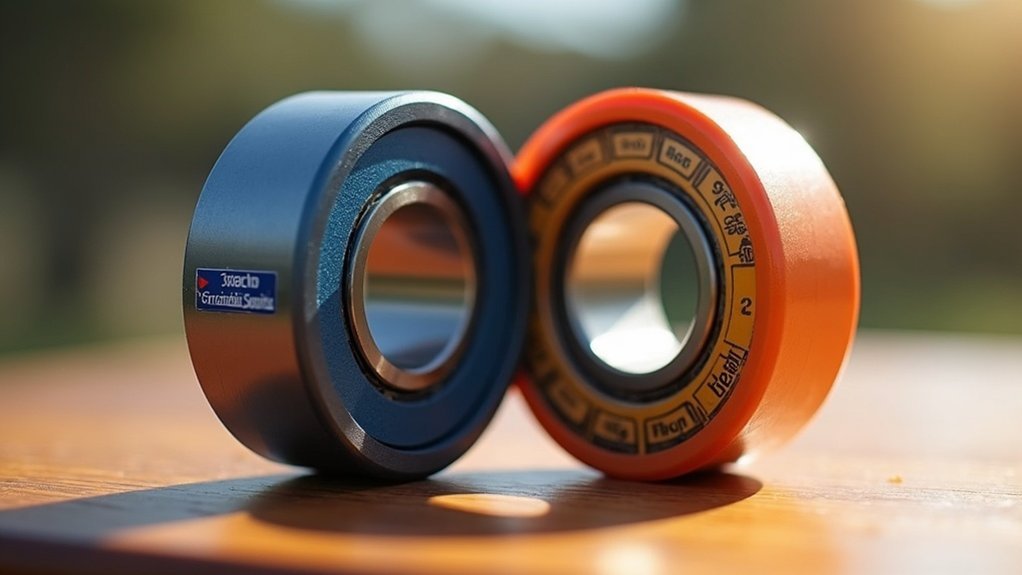
To understand static vs dynamic load ratings, it’s important to know that static load capacity (C0) represents the maximum weight supported without deformation when the equipment is stationary, while dynamic load capacity refers to the weights managed during movement. This knowledge is essential when selecting home gym equipment, as exceeding these limits can lead to equipment failure or injuries. By balancing safety factors and considering your intended use, you can ensure the longevity of your equipment. Delving deeper into these factors will empower you to make informed choices for your home gym, helping you stay healthy and achieve your fitness goals.
Key Takeaways
- Static load capacity (C0) measures the maximum weight supported without deformation when stationary, which is essential for ensuring safety while using your home gym equipment.
- Dynamic load capacity indicates the maximum weight supported during movement, which plays a critical role in the lifespan and performance of your exercise machines.
- When selecting home gym equipment, prioritize the lower load capacity value between static and dynamic to guarantee safety and prevent potential equipment failure.
- Regularly assessing load calculations is important to accommodate changes in user weight and workout intensity, ultimately promoting the longevity of your fitness gear.
- Keep in mind that environmental factors such as humidity and temperature can influence both load capacities, so it’s important to practice proper storage and maintenance to protect your equipment.
Understanding Static Load Capacity
Understanding static load capacity is crucial for selecting the right home gym equipment and ensuring a safe workout environment. Denoted as C0, this capacity represents the maximum load that a piece of equipment, like a weight bench or squat rack, can support without permanent deformation when stationary.
To ensure durability and reliability, it’s wise to incorporate a safety factor of 1-2 under normal exercise conditions and 2-3 for high-impact workouts. Exceeding the static load capacity can lead to issues such as structural failure, resulting in unsafe situations and potential injuries.
Accurate load assessment is essential, particularly for equipment used under heavy weights or during dynamic movements. Always remember that a proper understanding of load capacities enhances the longevity of your home gym equipment and contributes to a safer and more effective workout experience.
Understanding Dynamic Load Capacity
Dynamic load capacity is essential for understanding the performance and durability of home gym equipment under regular use. This capacity, measured in Newtons, indicates the maximum load that equipment, like weights and resistance machines, can handle during workouts.
It directly affects the lifespan of the equipment, often represented as L10 life, where 90% of the equipment meets specified performance standards. When selecting home gym gear, it’s crucial to consider factors such as frequency of use, the type of exercises performed, and the environment where the equipment will be placed.
Proper arrangement, maintenance, and care also significantly influence the performance and longevity of your home gym setup. Following standards and guidelines for load capacity can help ensure that you choose the right equipment to support your fitness journey effectively, accommodating various workout intensities and personal fitness goals.
Comparing Static and Dynamic Load Values
When selecting home gym equipment, understanding the load capacities of different components is crucial.
The static load capacity indicates the maximum weight a piece of equipment can support without permanent deformation while stationary. In contrast, the dynamic load capacity reflects the maximum weight it can handle during continuous use.
Understanding the difference between static and dynamic load capacities is vital for safe and effective home gym equipment usage.
Recognizing these differences is essential; exceeding the static load capacity can cause immediate damage, while exceeding the dynamic load capacity can lead to increased wear and a shorter lifespan of the equipment.
For optimal safety and performance in your home gym, always choose equipment based on the lower value of either static or dynamic load capacity to ensure reliable and effective workouts.
Factors Impacting Service Life
When considering the longevity of your home gym equipment, it’s important to factor in both static and dynamic load capabilities to ensure they can withstand the expected forces during workouts.
Additionally, environmental influences like dust accumulation and temperature fluctuations must be managed carefully to prevent premature wear and tear.
Understanding these aspects is crucial for selecting the right equipment for your fitness goals and ensuring a reliable and effective home workout experience.
Load Factors Consideration
Understanding load factors is essential for maximizing the durability of your home gym equipment, as they significantly impact the selection of the right components for your workouts.
Load capacity pertains to how well your equipment can handle various weights and forces during exercise, whether it’s for static or dynamic movements. Proper protection against wear and tear is crucial, especially in humid environments, to enhance safety and longevity of your gear.
Furthermore, ensuring that you have the right stroke distance in your equipment can help minimize friction during workouts, thus preserving the life of your machines.
Environmental Impact Assessment
Environmental factors play a crucial role in extending the service life of your home gym equipment, particularly its bearings. Elements such as moisture, dirt, and temperature fluctuations can accelerate wear and tear, leading to diminished performance under both static and dynamic loads.
A contaminated workout environment can lead to premature equipment failure, underscoring the importance of effective sealing and protection for your gear. Additionally, vibrations from nearby appliances or activities can add stress to your equipment, which should be factored into load ratings.
Corrosive substances can also compromise bearing materials, impacting overall functionality. To ensure your gym equipment remains in top condition, it’s vital to perform regular maintenance and inspections, especially in challenging environments, to spot and address any issues that could threaten the longevity of your workout gear.
The Importance of Accurate Load Calculations
Accurate load calculations are essential for evaluating the performance and safety of home gym equipment, ensuring that your gear functions as intended during every workout.
It’s important to consider factors such as user weight, equipment limits, and safety margins, as these variables can significantly affect your exercise experience and overall reliability of the equipment.
Misjudgments in load evaluations could lead to equipment failures or injuries, highlighting the necessity for precision in your calculations to maintain a safe and effective home gym environment.
Load Capacity Assessment
When evaluating the load capacity of home gym equipment, it’s essential to ensure that all components, including frames and bearings, can effectively handle both static and dynamic loads. Accurate assessments of load capacity are crucial for preventing equipment failures and minimizing downtime, allowing you to maintain your fitness routine. The static load capacity is particularly important for equipment that may experience sudden impacts during workouts.
To enhance your equipment’s performance and longevity, calculate the effective equivalent load, which encompasses all forces acting on the equipment. Safety factors, typically ranging from 1-5, should correspond to the intensity of your workouts and the specific conditions of your home gym. Regular assessments are necessary to adapt to any changes in your workout routines or the environment.
| Load Type | Capacity | Safety Factor |
|---|---|---|
| Static Load | C0 | 1-2 |
| Dynamic Load | C | Up to 5 |
| Effective Equivalent Load | P.eq | Varies |
Safety Factor Considerations
To ensure optimal performance and safety of your home gym equipment, it’s crucial to understand and apply the appropriate safety factors.
For typical home gym use, safety factor guidelines suggest a range of 1-2 under normal conditions, and 2-3 for impact conditions, with an ideal target of 5 for dynamic performance.
It’s essential to accurately calculate the static load capacity, as exceeding this limit can lead to issues like brinelling and premature bearing failure.
By focusing on the lower value between static and dynamic load capacities, you can ensure that your equipment can handle all expected loads safely.
Regularly assessing the safety factor not only enhances the longevity of your gym gear but also helps prevent expensive equipment failures, allowing you to stay healthy and fit from the comfort of your home.
Environmental Impact Factors
Environmental factors play a crucial role in the performance of home gym equipment, making it essential to consider them for optimal results. Temperature, humidity, and dust can significantly affect the durability and effectiveness of your gear. Regularly assessing these factors ensures your workout equipment remains in top condition.
| Environmental Factor | Impact on Equipment | Recommended Action |
|---|---|---|
| Dust and Debris | Reduces longevity | Regular cleaning |
| Humidity | Promotes rust | Use dehumidifiers |
| Temperature Extremes | Affects performance | Store in a climate-controlled environment |
Understanding these impacts helps you maintain your home gym equipment, prolonging its lifespan and enhancing your workout experience.
Selecting the Right Bearing for Your Application
Selecting the right bearing for your home gym equipment is crucial for ensuring smooth operation and longevity. When considering the bearings for your machines, pay attention to both static and dynamic load ratings to ensure optimal performance during workouts.
Evaluate the static load capacity (C0) against the dynamic load capacity (C) to ensure the bearing can support both stationary and moving loads effectively, such as when using weight machines or cardio equipment. It’s important to choose a bearing with an adequate load capacity to avoid wear and tear, which could lead to equipment failure.
For typical home gym conditions, consider a safety factor of 1-2, or 2-3 if your workouts involve high-impact movements.
Calculate the effective equivalent load (P.eq) based on all forces acting on the equipment, and ensure that the dynamic load capacity is sufficient to provide a satisfactory L10 life, ensuring your gym equipment remains reliable and safe for your fitness journey.