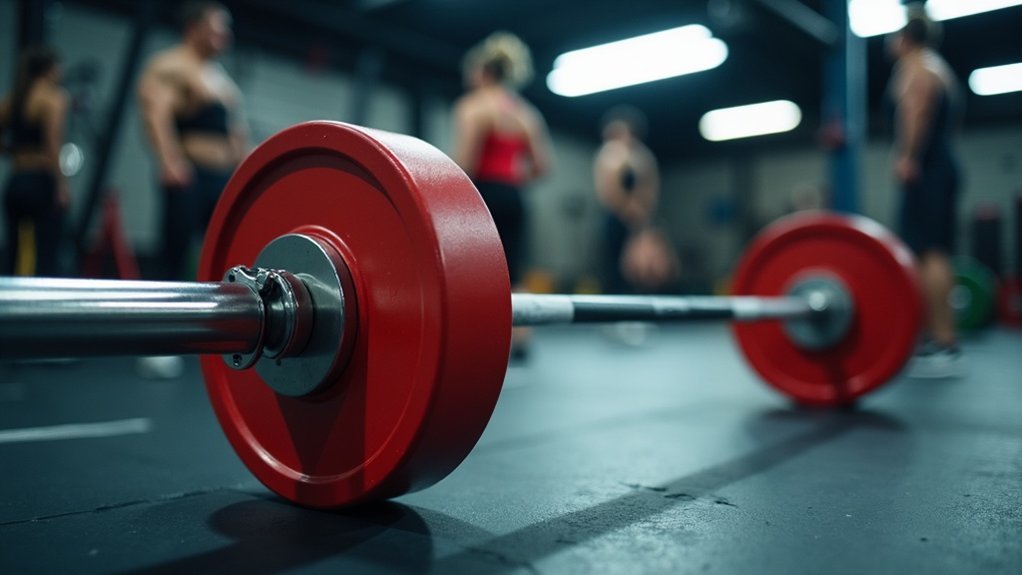
To prevent plate creep during deadlifts in your home gym, it’s essential to invest in high-quality barbell collars that securely fasten your weights and enhance stability. Look for collars with reliable locking mechanisms and durable materials, such as Rogue USA Aluminum Collars or Lock-Jaw PRO 2 Collars. These options provide a dependable grip that minimizes movement, ensuring your safety while lifting. Additionally, ergonomic designs and rubber linings offer extra security for your weights. If you’re interested in more tips on effective collars and safe weight securing practices for your home workouts, keep reading for valuable insights!
Key Takeaways
- Rogue USA Aluminum Collars: Known for their exceptional grip, these collars are perfect for home gym enthusiasts looking to prevent plate creep during deadlifts.
- Lock-Jaw PRO 2 Collars: Designed with a robust spring-loaded latch, these collars ensure plates stay securely in place, providing stability for heavy lifts at home.
- OSO Mighty Collars: An affordable option with rubber linings, these collars minimize slippage and keep weights secure during deadlifts, making them ideal for home workouts.
- Proloc 1 Collars: Featuring a unique screw top design, these collars allow for quick release while effectively locking plates to prevent shifting during your home training sessions.
- Ivanko-style Competition Collars: Tailored for dedicated lifters, these collars excel at minimizing plate movement during dynamic exercises like deadlifts, perfect for your home gym setup.
Understanding Plate Creep and Its Risks
When lifting heavy weights at home, understanding plate creep is crucial for both safety and performance.
Plate creep happens when weight plates shift on a barbell during dynamic exercises, such as deadlifts, which can increase the risk of injury. This movement can create unbalanced loads, making a secure grip even more essential.
To prevent plate creep, it’s advisable to invest in high-quality collars that provide strong holding power, like clamp-style collars with rubber linings. Steer clear of inferior spring-style collars, as they often lack the necessary grip.
Ensuring that your collars are compatible with your barbell is vital in minimizing plate creep and enhancing your overall lifting safety, allowing you to concentrate fully on your home workout and fitness goals.
Importance of Barbell Collars in Weightlifting
While you may focus on your lifting technique and the weights themselves, the importance of barbell collars in home weightlifting can’t be overstated.
These collars are essential for securely fastening weight plates, preventing any plate movement during your lifts. Properly fitted collars, such as the Lock-Jaw PRO 2 Collars and Rogue USA Aluminum Collars, enhance stability, allowing you to concentrate on your form without the distraction of shifting weights.
Barbell collars are crucial for securing weight plates, enhancing stability, and allowing you to focus on perfecting your lifting form.
Investing in high-quality barbell collars significantly improves safety, especially during dynamic exercises like Olympic lifting and powerlifting, which you may incorporate into your home workouts.
With the right collars, you ensure a safer, more efficient lifting experience for yourself and anyone else who may share your home gym.
Top Collars for Preventing Plate Creep During Deadlifts
When you’re focused on achieving your fitness goals at home with heavy deadlifts, having the right collars is essential to prevent plate creep.
For the best overall options, consider the Rogue USA Aluminum Collars or Lock-Jaw PRO 2 Barbell Collars, both known for their secure grip and reliability during your workouts.
If you’re looking for budget-friendly alternatives, the OSO Mighty Collars provide a solid hold without straining your wallet, allowing you to maintain your home gym setup without sacrificing quality.
Best Overall Options
Choosing the right collars for deadlifts can greatly enhance your home gym experience.
For the best barbell collars, consider the Rogue USA Aluminum Collars for their robust construction and reliable locking mechanism, effectively preventing plate creep during your lifts.
The Lock-Jaw PRO 2 is another excellent choice, offering a strong grip with a spring-loaded snap latch, making it ideal for heavy deadlifts.
If you value stability, the OSO Mighty Collars come with rubber linings for extra grip.
For those who need quick release, the Proloc 1 Collars provide easy attachment while ensuring a secure hold.
Finally, the Ivanko-style competition collars are perfect for serious lifters, guaranteeing precision and minimizing the risk of plate movement during competitive lifts.
Investing in quality collars can help you maximize your performance and safety while working out at home.
Budget-Friendly Choices
Choosing budget-friendly collars for deadlifts is essential for home gym enthusiasts who want to maintain quality and performance without breaking the bank.
Here are some top options that ensure a secure fit and effectively prevent plate movement, making them ideal for both men and women:
- Lock-Jaw PRO: Designed with a spring-loaded snap latch, these collars provide a secure hold during heavy lifts, perfect for intense home workouts.
- Clout Fitness: At a price point under $20, these lightweight collars feature reinforced plastic and rubber lining, delivering an excellent grip for your lifting sessions.
- OSO Mighty Collars: Constructed from aluminum with a rubber lining, these collars minimize slippage and offer a cost-effective solution for your home gym needs.
- Generic Lock-Jaw Style: Featuring quick lever action, these collars allow for easy application and removal while remaining budget-friendly, making them a practical choice for all fitness levels.
With these options, you can enhance your home gym setup without compromising on quality or performance.
Features to Look for in Effective Barbell Collars
When selecting barbell collars for your home gym, especially for deadlifts, prioritize secure locking mechanisms that effectively prevent plate movement during your lifts.
Look for collars made from durable materials such as high-strength nylon or aluminum, as these can withstand the demands of intense home workouts.
Additionally, collars featuring rubber lining can enhance grip, providing extra security to ensure your plates stay firmly in place as you exercise.
This attention to detail will help you maintain safety and stability in your home fitness routine.
Secure Locking Mechanisms
To ensure your weights remain securely in place during deadlifts, it’s important to choose barbell collars that feature dependable locking mechanisms. Here are some key features to look for to enhance your home gym experience:
- Spring-Loaded Snap Latches: These provide a snug fit and allow for quick adjustments, making it easy to switch weights between sets.
- Screw Tops: These offer a strong lock, ideal for high-strength nylon or aluminum collars, ensuring your weights stay put no matter how intense your workout gets.
- Ergonomic Designs: Look for collars with rubberized interiors and user-friendly levers, which enhance grip and make adjustments simple and comfortable.
- Superior Holding Power: This feature minimizes plate movement during dynamic exercises, helping you avoid any potential mishaps and allowing you to focus on your fitness goals.
Durable Material Construction
When it comes to selecting the right barbell collars for your home gym, the construction material is crucial for ensuring both effectiveness and longevity.
Opt for collars made from durable materials such as aircraft-grade aluminum or high-strength nylon, designed to endure the demands of heavy lifting.
Lock-Jaw collars are an excellent choice, featuring robust resin with rubber elastomer padding that provides a secure grip to prevent plate movement during intense workouts.
Proloc 1 Collars stand out with their tough nylon plastic construction, while OSO Mighty Collars enhance grip strength with a specialized rubber lining.
Investing in well-constructed collars not only improves durability but also ensures your safety during your lifting sessions at home.
Comparison of Recommended Collars
Choosing the right collars for deadlifts is crucial for ensuring stability and safety during your home workouts.
Selecting the right collars for deadlifts is essential for stability and safety in your home workouts.
Here’s a comparison of recommended collars to help you make an informed decision for your home gym setup:
- Rogue Aluminum Collars: These collars are praised for their secure grip and lightweight design, effectively preventing plate movement with a reliable locking mechanism—ideal for maintaining focus on your lifts.
- Lock-Jaw PRO 2: With a spring-loaded snap latch, these collars ensure that your plates stay firmly in place, making them a great choice for those heavier lifts.
- OSO Mighty Collars: Lightweight and featuring a rubber lining, these collars are designed to minimize slippage, providing the stability you need for effective training.
- Clout Fitness Barbell Clamp: A budget-friendly option, these clamps are reinforced to prevent weight shifting during intense workout sessions, perfect for home gym enthusiasts.
Choose wisely to maximize your performance and enjoy your home workouts safely!
Tips for Securing Weights Safely
Selecting the right collars is only the first step in securing weights safely during your home workouts, especially for exercises like deadlifts.
To effectively prevent plate creep, choose barbell collars that are designed for high-impact home fitness routines. Look for models with rubber elastomer padding and secure attachment mechanisms, such as the Lock-Jaw PRO 2 Collars, which are perfect for both men and women.
Consider collars with a unique screw top design, like the Proloc 1, to minimize slippage during your lifting sessions. OSO Mighty Collars feature a rubber lining that enhances grip, while Clout Fitness Collars improve overall stability and reduce the risk of weights sliding off.
Always ensure your collars are tightly fastened before lifting to maximize safety and performance in your home gym.