To create a safe and effective home gym environment, it’s essential to consider the flooring transitions at your gym entrance. Using connection strips such as T-molding, saddle connections, and hard surface reducers can help eliminate tripping hazards. These solutions ensure a smooth and secure transition between different flooring types, reducing any height discrepancies that could lead to accidents. Always ensure these strips are properly fastened to prevent gaps and enhance stability during your workouts. For height variations exceeding 0.25 inches, consider using beveled edge connections or ramps to meet safety standards. Explore more about effective installation techniques and product options for a safe and functional home gym space.
Key Takeaways
- T-Molding Strips smoothly connect equal height floors in home gym areas, minimizing tripping hazards at entrances.
- Hard Surface Reducers bridge slight height differences in your workout space, ensuring safe transitions between surfaces.
- Saddle Transitions effectively close gaps between different flooring types in your home gym, enhancing safety at entry points.
- Beveled Edge Transitions provide a gradual slope, reducing abrupt changes in height at gym entrances.
- Regularly assess and maintain transition strips in your home gym to keep them secure and free from debris, preventing trips and ensuring a safe workout environment.
Understanding Floor Transitions and Their Importance
When setting up your home gym, understanding floor transitions is essential, especially at entrances where different flooring materials or heights converge. Proper floor transitions play a vital role in ensuring safety and preventing tripping hazards in these areas.
Installing transition strips effectively can create smooth, beveled edges that eliminate abrupt height changes, making it easier to move between different workout zones. Choosing materials like rubber or aluminum not only enhances grip and stability but also contributes to a safer environment during your workouts.
Maintaining consistent floor height and using appropriate transition strips can significantly reduce the risk of accidents, particularly for those who may be new to exercising or are more susceptible to falls. Regular assessments of these transitions can help identify potential hazards, ensuring a safe and accessible workout space for all users.
Types of Floor Transitions for Entrances
Floor changes at entrances are essential for ensuring safety, especially in a home gym environment where you want to prevent tripping hazards while exercising. Various types of floor transition strips are designed to accommodate different flooring scenarios, enhancing both functionality and safety. T-molding strips are ideal for connecting floors of equal height, providing a seamless surface that minimizes the risk of tripping while moving between areas. Hard surface reducers are perfect for bridging slight height differences, ensuring a smooth transition that helps prevent accidents. For areas with carpet, carpet transitions with gripping spikes effectively secure the edges, reducing slipping and making movements safer during workouts. Additionally, beveled edge transitions offer a gradual slope, accommodating all mobility levels and making it easier to navigate your home gym.
| Type | Purpose | Benefits |
|---|---|---|
| T-Molding Strips | Connects equal height floors | Smooth surface, minimizes tripping |
| Hard Surface Reducers | Bridges slight height differences | Prevents trips |
| Carpet Transitions | Secures carpet edges | Reduces slipping and tripping |
Saddle Transitions: A Solution for Tripping Hazards
Saddle transitions are an essential feature for home gym setups, especially where different flooring materials meet.
By bridging gaps between surfaces, these transitions help prevent tripping hazards, ensuring a safer workout environment.
When installed correctly, saddle transitions not only enhance safety but also create a seamless and visually appealing connection between flooring types.
Understanding their benefits and following best practices for installation will ensure that your home gym remains a safe and motivating space for your fitness journey.
Benefits of Saddle Transitions
When transitioning between different types of home gym flooring, the risk of tripping can significantly increase, making saddle transitions an essential safety feature.
Saddle changes effectively bridge gaps between varying floor heights, minimizing trip hazards at entry points and workout zones. Available in full and half saddle versions, they facilitate a smooth shift, accommodating both level and uneven surfaces found in home gyms.
By providing a gentle slope instead of a sharp edge, these transitions enhance safety for individuals of all fitness levels, including beginners and seniors.
Additionally, saddle transitions improve the overall aesthetic consistency of your workout space, offering a clean, polished look that complements various flooring materials while promoting a safe and inviting environment for exercise at home.
Installation Best Practices
When setting up a home gym, it’s essential to follow best practices to ensure safety and aesthetic appeal.
Start by selecting appropriate flooring materials that can handle your fitness activities, such as rubber mats or carpet tiles. When transitioning between different flooring types, use transition strips to create a smooth and safe transition.
Place them strategically to avoid tripping hazards, and make sure they’re securely fastened to minimize gaps. Regular maintenance is crucial; check for debris and ensure that all flooring remains stable and secure.
Hard Surface Reducers and T-Molding Explained
A well-chosen floor connection can greatly enhance safety and aesthetics in your home gym. Hard surface reducers are essential for creating smooth transitions between different flooring surfaces, effectively minimizing height differences that could lead to trips while you’re working out.
On the other hand, T-molding is perfect for joining two surfaces of equal height, ensuring seamless connections between hard surfaces like laminate or hardwood. Both transition strips cover expansion gaps and are crucial for maintaining a neat appearance, especially in high-traffic areas of your gym.
For maximum effectiveness, ensure these strips are securely fastened to the subfloor to eliminate any movement that might pose tripping hazards during your exercise routines.
Evaluating Height Differences Between Flooring Types
When evaluating height differences between flooring types for your home gym, it’s crucial to measure any variations accurately, as even slight discrepancies can lead to tripping hazards during your workouts.
Ensuring flush transitions is essential for safety, especially when moving equipment or performing exercises that require stability.
Measuring Height Variations
To ensure a safe and effective home gym setup, accurately measuring height variations between different flooring types is crucial. Use a level or measuring tape to assess the height at junction points, identifying any discrepancies that may pose tripping hazards during your workouts.
If height differences exceed 0.25 inches, consider using transition strips to create a seamless connection between flooring types. It’s also important to factor in the overall thickness of flooring materials, including any underlayment or padding, as these can affect the final height.
Be sure to document all measurements carefully; this information will help you select appropriate transition strips that accommodate height variations effectively, promoting a safe and enjoyable exercise environment in your home gym.
Importance of Flush Transitions
When setting up a home gym, the importance of maintaining flush transitions between different flooring types can’t be overstated. Height discrepancies between floor surfaces can pose serious tripping hazards, especially in high-traffic areas where you may be moving quickly during workouts.
To ensure a smooth transition, utilize transition strips or reducer transitions that effectively bridge gaps between varying material heights in your gym space. Accurate measurement during installation is crucial; it accommodates thickness variations and ensures a level shift, which is vital for safety during your exercise routine.
Regular inspections of these areas can help identify any emerging discrepancies, allowing for timely adjustments to maintain a safe workout environment. Additionally, incorporating safety features, such as beveled edges on transition strips, enhances visibility and navigation, further minimizing the risk of accidents as you engage in your fitness activities at home.
ADA Compliance Considerations
When setting up your home gym, it’s crucial to consider height differences between flooring types to ensure safety and compliance with ADA standards.
To prevent trip hazards and maintain accessibility, any changes in height shouldn’t exceed 1/4 inch. For height differences greater than this, it’s important to provide a ramp or a beveled transition, especially for wheelchair users.
Using ADA-compliant transition strips can help create smoother transitions and minimize abrupt height changes. Regularly checking these areas is essential, particularly in high-traffic zones where you may be moving weights or equipment.
Additionally, installing tactile warning surfaces can help individuals with visual impairments be aware of changes in flooring height, contributing to a safer and more inclusive workout environment for everyone.
Effective Installation Techniques for Safety
Effective installation techniques for changeover strips are essential not only for aesthetic appeal but also for ensuring safety in home gym environments where different flooring types meet. Proper alignment of connector strips with adjacent flooring heights minimizes tripping hazards, creating a smooth surface conducive to exercise routines.
Choosing flat, beveled designs establishes a gradual slope, particularly useful in high-traffic areas like entrances to workout spaces. Non-slip materials enhance traction, reducing slips during intense workouts or when the floor is wet from sweat.
Regular maintenance, ensuring strips are securely attached and free from debris, is vital for a safe workout area. Additionally, incorporating contrasting colors or textures on connector strips alerts users to changes in flooring, further promoting safety in home gym settings.
Area Rugs and Their Role in Transition Safety
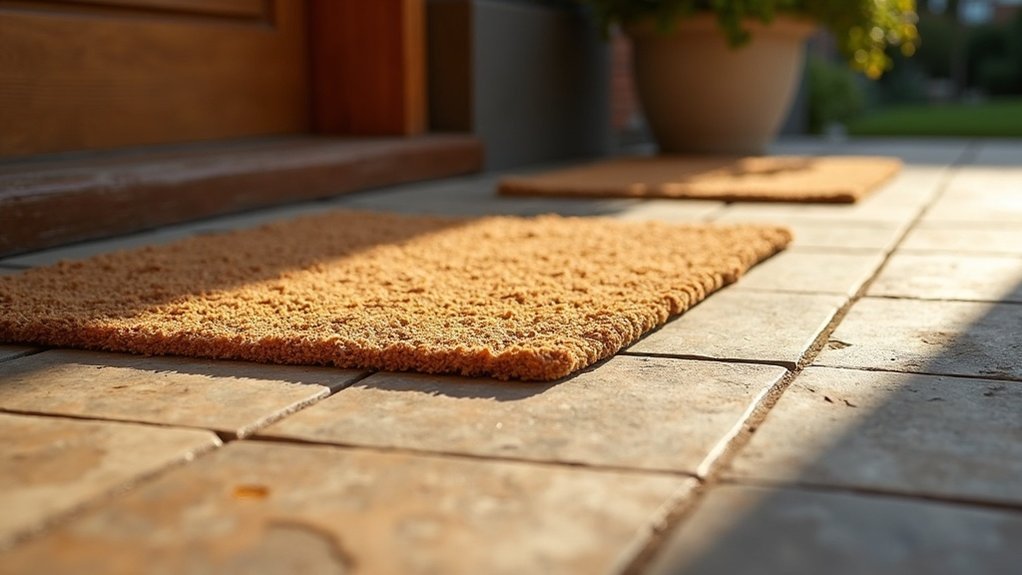
Area rugs can be an important addition to a home gym, especially when transitioning between different flooring types or workout areas. In high-traffic spaces, such as those near equipment or entrances, rugs provide a cushioned surface that can help reduce the risk of slipping and tripping. To enhance safety, consider using non-skid pads to ensure the rug stays in place during workouts. Additionally, choosing contrasting colors can help visually delineate workout zones, making it easier to navigate the space and minimizing hazards. Regular maintenance of the rugs is essential to keep them clean and free of debris that could pose tripping risks. Here’s a brief overview of key factors for incorporating area rugs into your home gym for safety:
| Factor | Importance |
|---|---|
| Non-skid pads | Prevent slipping |
| Contrasting colors | Aid in visual identification |
| Regular maintenance | Reduce tripping hazards |
| Strategic placement | Ensure safe workout areas |
These considerations will help create a safe and effective exercise environment at home.
Choosing the Right Products for Transition Areas
When selecting products for transition areas in your home gym, it’s crucial to prioritize safety and functionality to minimize tripping hazards.
Opt for suitable transition strips, such as saddle transitions or T-strips, to effectively bridge different heights between flooring types, ensuring a smooth workout experience. These strips significantly reduce tripping risks for individuals of all fitness levels.
Incorporate non-slip floor mats and runners to enhance traction, especially during intense workouts. Consider using contrasting colors for transition strips to visually signal flooring changes, helping you navigate your space safely.
Regular maintenance of these areas is essential; keeping surfaces clean and dry reduces slip risks. Additionally, ensure adequate lighting to improve visibility, further preventing trips and falls as you move through your home gym.