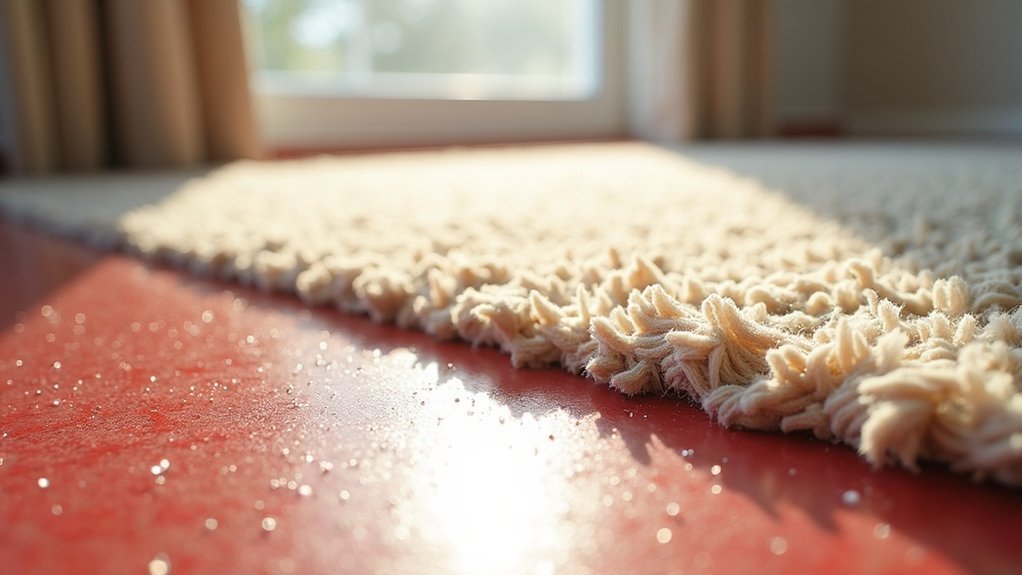
Laying rubber flooring over carpet isn’t generally recommended for a home gym due to stability concerns. High-pile carpets can create an unstable surface, which increases the risk of injury during workouts. While low-pile carpets might support direct installation, it’s crucial to assess the surface carefully before proceeding. If you decide to go ahead, ensure the carpet is clean and free of damage, and consider using plywood underneath for added stability. Proper installation techniques can significantly enhance your workout experience. Explore the best options and methods for creating an effective and safe home gym setup tailored to your fitness needs!
Key Takeaways
- Laying rubber flooring over plush carpet is not recommended for home gym setups, as it can create an unstable surface. It’s best to install a plywood subfloor for proper support.
- If you have low-pile carpet, it may be possible to install rubber flooring directly on it, but be sure to inspect the carpet for any damage beforehand.
- To ensure safety and optimal performance, proper surface preparation is essential. This includes vacuuming the area and checking for any unevenness.
- Using adhesives can help secure the rubber flooring in place, providing added stability during workouts and exercises.
- Rubber flooring is ideal for home gyms due to its excellent impact absorption and sound dampening properties, making it a great choice for your workout space when installed correctly.
Understanding the Risks of Laying Rubber Flooring Over Carpet
When considering the installation of rubber flooring over carpet in your home gym, it’s crucial to be aware of the potential risks involved.
Laying rubber flooring on high-pile carpet can lead to an unstable surface, which may increase the likelihood of injuries during workouts due to uneven flooring and shifting. The thickness and type of carpet play a significant role in stability; plush carpets often require plywood as a subfloor to prevent movement and provide a safe workout environment.
While low-pile carpets might allow for direct installation, using plywood is still advisable for enhanced stability.
To ensure a safe and effective workout space, proper surface preparation is key—this includes thoroughly cleaning the area and checking for any damage.
Taking these steps will help mitigate risks associated with poor adhesion and ensure the long-term performance of your rubber flooring in your home gym.
Evaluating Your Carpet Type: Plush vs. Low-Pile
When evaluating your carpet type for your home gym, it’s important to consider the stability of the material beneath your rubber flooring.
Plush carpets can compromise safety due to their instability, making them less ideal for workout areas.
On the other hand, low-pile options generally provide a more solid base for your fitness routines.
Analyzing pile height and using appropriate installation techniques are essential for ensuring a secure and effective workout surface, allowing you to focus on your health and fitness goals without worry.
Carpet Stability Assessment
Before diving into your home gym setup, it’s crucial to assess the stability of your carpet, as this can significantly affect the safety and effectiveness of your workouts. Plush carpets, with their thick texture, often create unstable surfaces that could pose a risk during exercise.
On the other hand, low-pile carpets provide a much firmer base, making them more suitable for direct rubber flooring installation if they feel solid.
Take the time to carefully evaluate the condition of your carpet, focusing on its levelness and any signs of damage. If you find that plush carpet is your only option, consider installing a plywood subfloor to enhance stability and prevent any potential injuries from uneven surfaces while you work towards your fitness goals.
Prioritizing a secure workout environment is key to maximizing your home exercise experience.
Impact of Pile Height
Understanding the impact of pile height on your carpet is crucial for a successful rubber flooring installation in your home gym. High pile carpets, such as plush varieties, can create an unstable base that increases the risk of injury, particularly when using fitness equipment.
On the other hand, low-pile carpets offer a solid foundation, enabling you to install rubber flooring directly without complications. It’s essential to assess the condition of your carpet; any unevenness or damage could jeopardize stability.
If you plan to use heavy rubber flooring, it may cause plush carpets to flatten unevenly. Therefore, it’s important to determine whether you need to remove the carpet or if you can safely proceed with low-pile options for a safer and more effective workout environment.
Recommended Installation Techniques
To ensure a successful installation of rubber flooring in your home gym, it’s essential to carefully assess your carpet type, as the choice between plush and low-pile can significantly affect stability and safety during workouts. For areas that experience heavy use, low-pile carpet is suitable for directly supporting rubber flooring. Adding a plywood subfloor can enhance this stability, making it ideal for high-impact exercises. Conversely, avoid laying rubber flooring over plush carpet without proper preparation, as this can lead to instability and shifting during workouts. If necessary, use adhesive to secure it in place. Here’s a quick comparison:
| Carpet Type | Recommendation | Additional Notes |
|---|---|---|
| Plush Carpet | Avoid installation | Use minimum ¼ inch plywood for better support |
| Low-Pile Carpet | Directly install rubber flooring | Plywood adds extra stability for workouts |
| Proper Prep | Essential for safety | Ensure carpet is clean and inspected before installation |
Preparing Your Space for Rubber Flooring Installation
Before embarking on the installation of rubber flooring over carpet, it’s essential to prepare your home gym space properly.
Begin by removing all furniture and equipment, ensuring you have a clear and unobstructed area to work in. Next, give the existing carpet a thorough vacuuming to remove any dirt, debris, or loose fibers that might interfere with the installation process.
Take the time to inspect the carpet for any unevenness, wrinkles, or damage that could affect the stability of your new flooring. Accurately measure the dimensions of the room to calculate the quantity of rubber tiles you’ll need for your home gym setup.
If you’re planning to use plywood as a subfloor, ensure it’s at least ¼ inch thick and securely fastened to create a solid, heavy-duty base for the rubber flooring, providing you with a safe and effective exercise environment.
Recommended Rubber Flooring Options for Carpeted Areas
Choosing the right rubber flooring for carpeted areas can significantly enhance your home workout experience, providing the stability and support essential for effective exercise routines.
If you’re setting up a gym over carpet, consider heavy-duty rubber tiles like the Geneva Rubber Tile, which offers durability and a low odor, making it ideal for home use.
For plush carpets, installing a plywood subfloor is crucial for added stability during your workouts.
Interlocking rubber tiles, such as Sundance Mats, allow for customizable flooring solutions, perfect for high-impact exercises and come with a generous 10-year warranty.
Alternatively, Staylock Tiles, crafted from durable PVC plastic, can be laid directly on carpet, ensuring a waterproof and non-absorbent gym area that keeps your workout space clean and ready for action.
Installation Techniques for Rubber Flooring Over Carpet
When installing rubber flooring over carpet in your home gym, proper preparation and technique are key to creating a stable and effective workout surface.
For low-pile carpets, you can lay rubber flooring directly on top, ensuring the carpet feels firm and supportive underfoot. If your carpet is plush or high-pile, it’s best to install a plywood subfloor for added stability, which will enhance your workout experience.
Before you begin, make sure to clear and thoroughly vacuum the carpet to eliminate any debris that could affect the installation.
To keep loose-laying tiles secure, use double-sided tape along the edges for extra stability. For optimal alignment and a professional finish, start your installation from the center of the room and be sure to leave appropriate expansion gaps throughout the process.
Creating a solid foundation will ensure your home gym is ready for effective workouts, helping you stay healthy and fit.
Benefits of Rubber Flooring in Home Gyms
Rubber flooring provides a variety of advantages that significantly enhance your home gym experience, catering to both men and women committed to fitness.
It delivers exceptional impact absorption, which helps lower the risk of injury by cushioning falls and ensuring a stable footing during workouts. Acting as a protective barrier, rubber flooring shields your carpet from damage caused by dropped weights and heavy exercise equipment, allowing you to focus on your fitness goals without worrying about your home’s flooring.
Exceptional impact absorption reduces injury risk while protecting your flooring from damage, allowing you to focus on your fitness journey.
Furthermore, rubber flooring serves as an effective sound dampener, reducing noise and vibrations—an essential feature for home gyms, especially if you share your space with others.
Its straightforward installation allows for a quick setup, making it suitable for both temporary arrangements and permanent installations. Additionally, many rubber flooring options are environmentally friendly, crafted from recycled materials like used tires, making it a sustainable choice that aligns with a healthy lifestyle.
Professional Guidance and Support for Your Installation
While it might be tempting to install rubber flooring over carpet by yourself, reaching out for professional guidance ensures optimal results tailored to your home gym setup. Professionals can evaluate the stability of your carpet and may suggest installing a plywood subfloor for added support, especially for plush carpet options. They follow proper installation techniques, which helps prevent complications during your workouts. Plus, many flooring companies provide free samples, allowing you to test what works best for your space.
| Benefit | Description |
|---|---|
| Tailored Advice | Experts offer flooring solutions that fit your home gym needs. |
| Stability Assessment | Professionals assess the stability of your carpet for safe workouts. |
| Compliance with Guidelines | Ensures adherence to manufacturer specifications for optimal performance. |
| Expert Installation | Skilled installers ensure a flawless finish for your fitness area. |