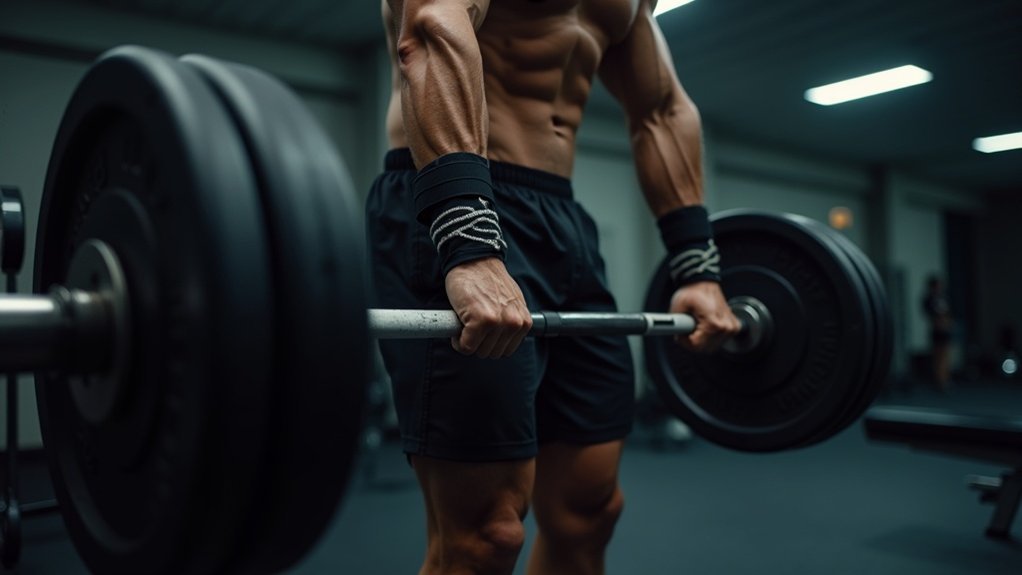
Straps can’t fully replace a spotter for heavy deadlifts, even when working out at home. While they can catch the barbell if you lose grip and help reduce injury risks, they lack the immediate, hands-on assistance a trained spotter provides. Spotters not only enhance your safety but also ensure you maintain proper form and can react quickly in emergencies. Straps may serve as a helpful backup for solo lifting in your home gym, but for optimal safety, it’s always best to have a spotter when pushing your limits. Remember to prioritize safety and consider the benefits of having a workout partner, even at home.
Key Takeaways
- Safety straps provide a catch mechanism to absorb impact, making them a valuable tool for home gym enthusiasts, but they do not offer the immediate assistance a spotter provides during heavy lifts.
- Straps enhance lifting versatility and can adjust for different heights, allowing for more effective workouts at home; however, they lack the interactive support and technique guidance that a trained spotter can provide.
- Lifting heavy weights alone increases the risk of injury significantly, which is why having a spotter remains essential for safety, far beyond what straps can offer.
- While straps can help prevent equipment damage and assist in solo training sessions, they should not replace the benefits of having a knowledgeable spotter, especially when lifting heavy.
- Best practices for safe deadlifting at home include combining straps with the presence of a spotter for optimal safety and improved lifting performance.
Understanding the Role of Straps in Deadlifting
While many home gym enthusiasts prioritize safety during heavy deadlifts, safety straps provide a practical alternative that promotes independence.
These straps catch the barbell if you lose grip or control, significantly aiding in injury prevention. Unlike relying on a spotter, they offer a reliable safety net without the need for another person, making them ideal for home workouts.
When properly adjusted, straps absorb impact, reducing the risk of injury and damage to your equipment during failed lifts. They also accommodate various deadlifting techniques, enhancing versatility in your training routine.
However, it’s essential to remember that while straps improve safety, they shouldn’t replace the importance of proper technique or the focus on grip strength for optimal deadlifting performance.
The Importance of a Spotter During Heavy Lifts
When you’re lifting heavy at home, the risks of going solo become clear; a spotter can serve as your safety net in case of an emergency.
Their presence not only helps prevent serious injuries but also reinforces safe lifting practices and enhances your technique.
While exploring alternatives to spotters might seem tempting, understanding their critical role is essential for anyone committed to serious home workouts.
Prioritizing safety and proper form is key to achieving your fitness goals from the comfort of your own gym.
Risks of Lifting Alone
Lifting heavy weights alone at home can pose significant risks, as even a slight miscalculation during a deadlift can lead to serious injuries.
It’s crucial to prioritize safety measures when working out in your home gym. The National Institute for Occupational Safety and Health emphasizes that having a spotter, when possible, is essential to prevent accidents.
Research indicates that around 20% of gym injuries occur during free weight exercises, highlighting the dangers of lifting alone. A spotter not only helps ensure proper form but also provides immediate assistance in emergencies.
While safety equipment like lifting straps can enhance your workout, they can’t substitute for the reassurance and support that a trained spotter offers during heavy lifts.
Always consider safety first to maintain a healthy and effective home workout routine.
Safe Lifting Practices
The risks associated with lifting heavy weights alone underscore the importance of utilizing a spotter during challenging lifts, such as deadlifts.
A spotter provides crucial support that enhances safe lifting practices, including:
- Immediate assistance in the event of a failed lift
- Ensuring proper lifting form and technique
- Managing the unpredictability that comes with heavy weights
- Offering encouragement and motivation during intense lifting sessions
- Reducing the risk of serious injuries
While equipment like lifting straps or spotter arms can be helpful, they can’t replace the immediate, human assistance a spotter provides.
For your safety and well-being, always prioritize having a spotter during your home gym heavy lifting sessions.
Alternatives to Spotters
While equipment like lifting straps may seem like a convenient option for those lifting weights at home, they can’t replace the vital benefits of having a spotter.
A spotter is crucial for ensuring safety during heavy lifts, especially during exercises like deadlifts, where losing control of the barbell can lead to serious injuries.
Although straps can provide some level of support, they lack the immediate responsiveness and guidance that a trained partner offers.
Exercising alone increases the risk of misjudgment, which could result in dangerous situations.
Without a reliable way to safely drop the barbell, lifting heavy weights at home can become a risky endeavor, compromising your health and safety.
Comparing the Functions of Straps and Spotters
When considering safety measures during heavy deadlifts at home, it’s essential to weigh the distinct functions of straps and spotters. Here’s how they compare for your home gym setup:
- Safety straps absorb impact, providing a softer landing for the weights, which is especially useful when lifting alone.
- Spotters offer immediate human assistance and guidance, ensuring safety during lifts, making them ideal for those who’ve workout partners at home.
- Straps allow for versatile height adjustments, catering to various lifting needs, while spotters may not adapt as easily without proper communication.
- Straps minimize the risk of equipment damage, providing peace of mind, whereas spotters help manage risks associated with heavy lifts, enhancing safety.
- Straps serve as a reliable backup for solo lifters, yet they lack the nuanced support and encouragement a human spotter can provide, which can be crucial for motivation.
Understanding these differences can enhance your safety and performance during deadlifts in your home gym.
Safety Considerations When Lifting Without a Spotter
When lifting heavy weights at home without a spotter, the risks of injury can significantly increase, especially if a lift fails.
Using safety equipment like straps can provide a crucial catch mechanism that absorbs impact, helping to reduce potential harm.
However, it’s essential to remember that while straps enhance safety, they shouldn’t completely replace the benefits of having a trained spotter, particularly during maximal lifts.
Prioritizing safety in your home gym is key to maintaining a healthy exercise routine.
Importance of Safety Equipment
Safety equipment is a vital component of any home weightlifting routine, particularly when you’re performing heavy deadlifts solo. Lifting without a spotter can pose risks, so implementing safety measures is essential for accident prevention.
Here are some key options to consider:
- Safety straps help absorb impact, significantly lowering the risk of injury.
- Spotter arms offer a sturdy support system, ensuring you have a reliable backup.
- They create a more forgiving landing, reducing the chances of jarring impacts.
- Particularly important for home gyms, they foster a safer lifting environment.
- Utilizing safety equipment empowers you to push your limits confidently, allowing you to focus on your fitness goals without undue concern.
Risks of Heavy Lifting
Lifting heavy weights alone can significantly increase the risks associated with home workouts, especially when a spotter is not available. A failed lift without assistance can result in severe injuries. While safety straps can offer some protection, they cannot substitute for the real-time help a spotter provides during intense lifts.
| Risk | Consequence |
|---|---|
| Dropping the barbell | Serious injury or worse |
| Increased psychological stress | Distracted lifting |
| Equipment failure | Accidents |
| Lack of immediate assistance | Unmanageable risks |
To ensure a safe home workout environment, it’s essential to prioritize safety by using both safety straps and having a spotter present for heavy lifts. This approach will help you achieve your fitness goals while minimizing the risk of injury.
Effective Catch Mechanisms
While many individuals strive to push their limits during heavy deadlifts, those working out at home without a spotter should prioritize effective catch mechanisms to ensure their safety.
Safety straps can significantly minimize the risk of injury by absorbing impact when a barbell drops. Here are some benefits of incorporating safety straps into your home gym setup:
- Adjustable heights for various lifting positions, accommodating different exercises
- Softer catches compared to rigid safety mechanisms, enhancing comfort
- Minimizes equipment damage during intense lifts, preserving your investment
- Enables solo training without the need for a spotter, promoting independence
- Offers peace of mind while you challenge yourself and reach new fitness goals
Incorporating safety straps is a smart choice for anyone looking to exercise safely and effectively at home.
Scenarios Where Straps Can Be Beneficial
When working out at home, using safety straps can significantly enhance your safety during heavy deadlifts. These straps absorb impact, reducing the risk of injury if the barbell drops unexpectedly.
In solo workouts, they serve as a dependable alternative to a spotter, allowing you to perform heavy lifts with greater confidence. Safety straps can easily be adjusted for different deadlift variations, ensuring a secure catch during failed attempts.
Their flexible design allows for smoother adjustments compared to rigid spotter arms, minimizing abrupt stops. By incorporating safety straps into your home gym routine, you can increase your confidence in lifting, empowering you to challenge yourself without the fear of serious injury.
The Limitations of Relying Solely on Straps
While safety straps can enhance your lifting experience at home, relying solely on them for heavy deadlifts has notable limitations. Here are some important points to consider:
- Straps can’t improve your lifting technique, which is crucial for effective workouts.
- They provide no immediate assistance during emergencies, which can be a concern when lifting heavy weights alone.
- Injuries may still occur if you don’t maintain proper form, regardless of using straps.
- Straps offer passive safety but lack the interactive support that can come from a partner or spotter.
- Dependence on them can foster a false sense of security, potentially leading to unsafe practices.
Without a training partner, you miss out on valuable feedback and assistance, which can increase the risk of accidents in your home gym.
While straps can be beneficial, they should complement, not replace, the critical safety and support that comes from having someone to spot you during heavy lifts.
Best Practices for Safe Deadlifting
To ensure safe deadlifting at home, it’s crucial to combine proper technique with the right equipment and best practices. Always use a high-quality power rack equipped with safety straps, making sure they are adjusted to your height for optimal protection. Pay attention to your grip assistance and gradually increase your weight loads while maintaining proper deadlifting techniques to minimize the risk of injury. Regularly check your safety straps for wear and tear to ensure they can support the necessary weight.
| Practice | Importance | Frequency |
|---|---|---|
| Adjust Safety Straps | Prevents abrupt stops | Before each workout |
| Inspect Equipment | Verifies reliability | Weekly |
| Maintain Proper Form | Reduces injury risk | Every lift |