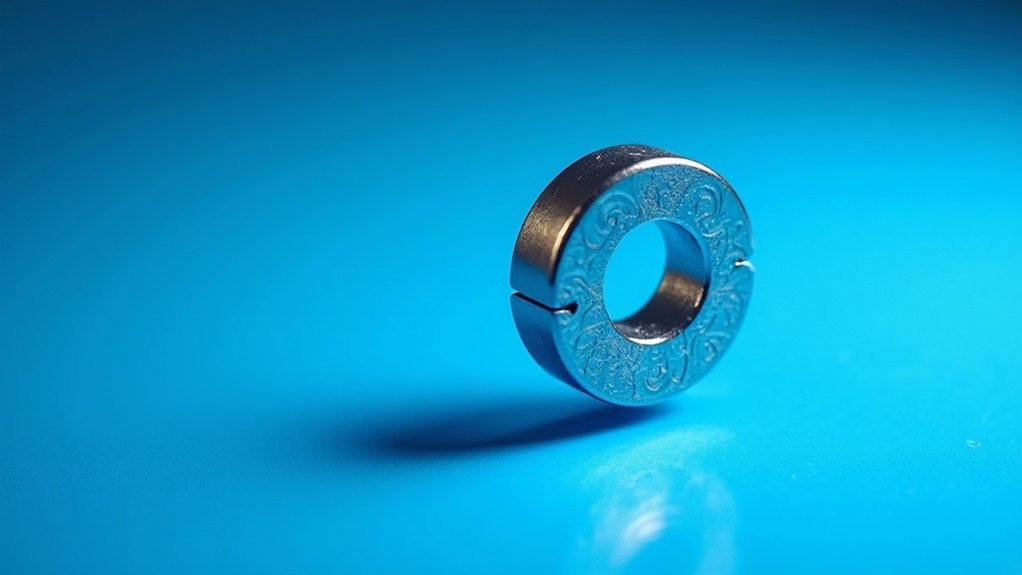
Fractional magnets can face challenges when trying to adhere through urethane coatings, especially when the coating thickness exceeds 2mm. Thicker layers can reduce magnetic strength by as much as 75% due to the increased distance from the metal substrate, which significantly weakens the magnetic attraction. For home gym equipment, selecting larger and stronger magnets can help counteract this loss, ensuring that your fitness tools remain secure and functional. It’s crucial to choose the right magnets to maintain optimal performance, especially in home workout setups. If you’re interested in maximizing the effectiveness of your urethane-coated gym equipment, further exploration of magnet performance in this context is recommended.
Key Takeaways
- Fractional magnets can adhere through urethane coatings, but their magnetic strength is significantly reduced when faced with thicker layers of urethane, which is important to consider when setting up your home gym equipment.
- A urethane thickness of 2mm can reduce magnetic strength by up to 75%, which can affect how securely your gym equipment stays in place.
- According to the inverse square law, increased distance from the metal surface diminishes magnetic force, making it more challenging to maintain a strong grip through coatings.
- Opting for larger and stronger magnets can help offset the loss of strength caused by urethane coatings, ensuring your exercise equipment remains stable and secure.
- Conducting tests to evaluate the magnetic holding strength through the urethane layer is crucial for ensuring the reliability and safety of your home gym setup.
Understanding Urethane Coatings
Understanding the role of coatings in home gym equipment is crucial for optimizing performance and durability. Urethane coatings, for instance, provide a robust protective layer for various exercise tools, but their non-magnetic properties can influence the effectiveness of certain components, such as fractional weights.
Typically, the thickness of these coatings ranges from 1 to 5 mils, which can affect the adhesion of weights to surfaces or attachments, potentially impacting their operation. This distance can diminish the effectiveness of the weights due to the inverse square law, highlighting the need for either stronger materials or a thinner coating for optimal performance.
Therefore, when designing or choosing home gym equipment, it’s important to consider these factors to ensure effective use and maintain the desired performance of your fitness tools.
The Properties of Fractional Magnets
Fractional magnets, known for their compact size and impressive magnetic strength, play a crucial role in home gym equipment, aiding in the efficiency and safety of your workout routines.
Their adhesive power can significantly vary, especially when they come into contact with urethane coatings commonly used in fitness gear. These non-metallic coatings can create a gap that weakens the magnetic field’s effectiveness, leading to diminished magnetic attraction.
Factors such as the thickness and type of urethane are essential to consider; thicker layers can drastically reduce the holding force of the magnets. Additionally, it’s important to remember the inverse square law, as increasing the distance from the metal substrate can further diminish the overall strength of fractional magnets in your home gym applications.
Adhesion Mechanics of Magnets and Coatings
When it comes to home gym equipment, the interaction between magnets and urethane coatings is crucial for ensuring durability and performance.
As the thickness of the urethane coating increases, the magnetic field penetration decreases, which can weaken the bond between components.
Moreover, the specific formulation of the urethane can either enhance or hinder effective magnetic transfer, highlighting the importance of selecting the right materials for your home gym equipment.
This ensures that your workout gear remains reliable and effective as you strive to stay healthy and fit from the comfort of your home.
Magnet-Coating Interaction
The interaction between magnets and urethane coatings is essential for optimizing adhesion mechanics in home gym equipment applications, where secure holds are crucial for safety and performance.
Urethane, commonly used as a protective coating, can interfere with the magnetic field transfer, potentially diminishing the effectiveness of magnetic components in equipment like resistance bands or adjustable weights. This reduction in strength occurs due to the distance created by the coating, as described by the inverse square law.
In gym equipment, thicker urethane layers can worsen this issue, making it necessary to utilize larger or stronger magnets to ensure the desired level of stability and reliability during workouts.
Understanding this interaction is vital for enhancing the functionality of home gym setups and promoting effective exercise routines.
Urethane Thickness Impact
Understanding how urethane thickness impacts magnetic adhesion is crucial for ensuring the reliable performance of home gym equipment. The thickness of urethane coatings significantly influences adhesion strength, which can affect the effectiveness of your fitness gear. Here are some key points to consider:
- Thicker urethane reduces magnetic strength, which may impact the overall effectiveness of your gym equipment.
- According to the inverse square law, even slight increases in urethane thickness can lead to a substantial decrease in adhesion strength.
- A 2mm urethane layer can reduce magnetic strength by up to 75%, potentially affecting the stability of your equipment.
- While urethane provides valuable corrosion protection, it can also hinder the transfer of magnetic fields, which is essential for some equipment functions.
To maintain optimal magnetic performance and ensure your home gym equipment operates effectively, it’s important to minimize urethane thickness wherever possible.
Magnetic Field Penetration
While urethane coatings provide essential protection for home gym equipment, their thickness can significantly hinder the penetration of magnetic fields, which is important for ensuring effective adhesion of fractional magnets.
An increased coating thickness creates a barrier that reduces magnetic strength, following the principles of the inverse square law. For example, a magnet’s holding force can diminish substantially—by a factor of four—when the distance increases from 1mm to 2mm.
Furthermore, the material properties of urethane can limit the transfer of magnetic fields, which can impact the performance of your gym equipment.
To ensure optimal adhesion and functionality, it’s important to select magnets with appropriate coatings and sizes that can effectively work within the limitations of the urethane layer.
Factors Impacting Magnetic Attraction Through Urethane
When considering the factors impacting the effectiveness of home gym equipment coated with urethane, it’s essential to understand how these materials interact in a fitness context.
Several key aspects influence this relationship:
- Thickness of the coating: Even thin urethane layers can significantly affect the performance of equipment, potentially reducing grip and stability during workouts.
- Equipment coatings: Coatings can hinder the transfer of force and balance, impacting the overall effectiveness of exercises.
- Strength of the equipment: Higher-quality, robust equipment may be necessary to compensate for any losses due to coating materials.
- Urethane formulation: Different formulations can either enhance or impede the durability and functionality of gym gear.
Best Practices for Urethane Application
Applying urethane coatings effectively is crucial for maintaining the integrity of your home gym equipment. To ensure optimal performance, make sure the urethane is fully cured before introducing any magnetic components, as uncured coatings can interfere with their functionality.
Choose magnets specifically designed for use with coatings or modify their size to counterbalance any potential loss in strength. Keep in mind that the adhesive properties of urethane may create a barrier that can diminish magnetic strength between the magnet and the equipment surface.
Select magnets tailored for coatings or adjust their dimensions to mitigate strength loss, as urethane’s adhesive properties may weaken magnetic connections.
Lastly, it’s important to test the holding strength through the urethane layer, as even slight variations in distance can significantly affect magnetic force, in line with the principles of the inverse square law.
Prioritizing these best practices will help you maintain a safe and effective home workout environment.
Practical Applications and Considerations
Understanding the relationship between fractional magnets and urethane coatings is important for optimizing home gym equipment. Here are key considerations to keep in mind:
- Coating Thickness: Ensure the urethane coating thickness remains below 1mm to maintain the magnetic strength of any attachments or accessories.
- Magnetic Strength: Be aware that thicker coatings can significantly diminish the effectiveness of magnetic components in your gym equipment.
- Wear Resistance: Utilize urethane’s protective qualities to enhance the durability of your gym gear, especially in high-use environments.
- Magnet Selection: Opt for larger or stronger fractional magnets when incorporating thicker urethane coatings in your equipment for better performance and stability.