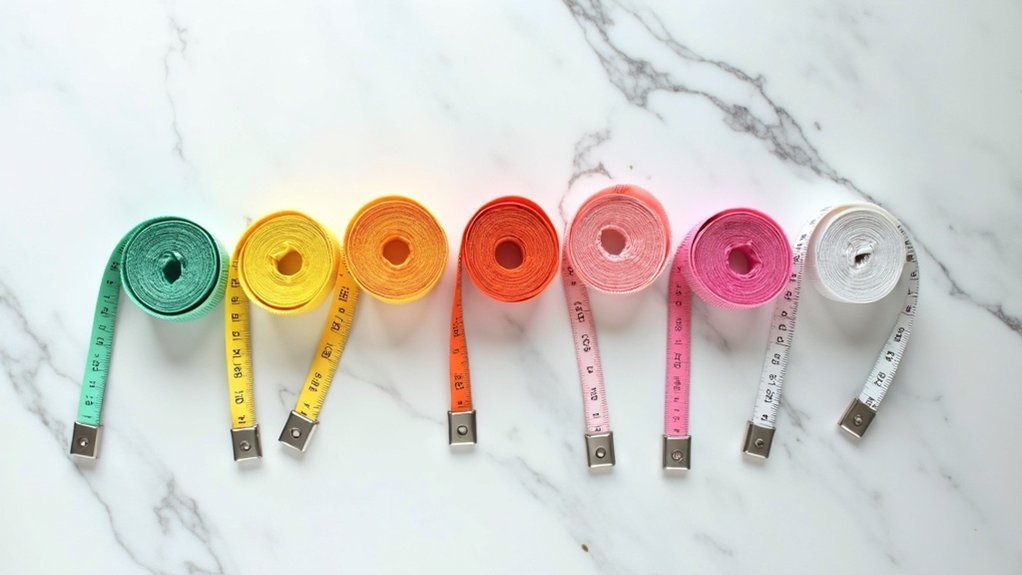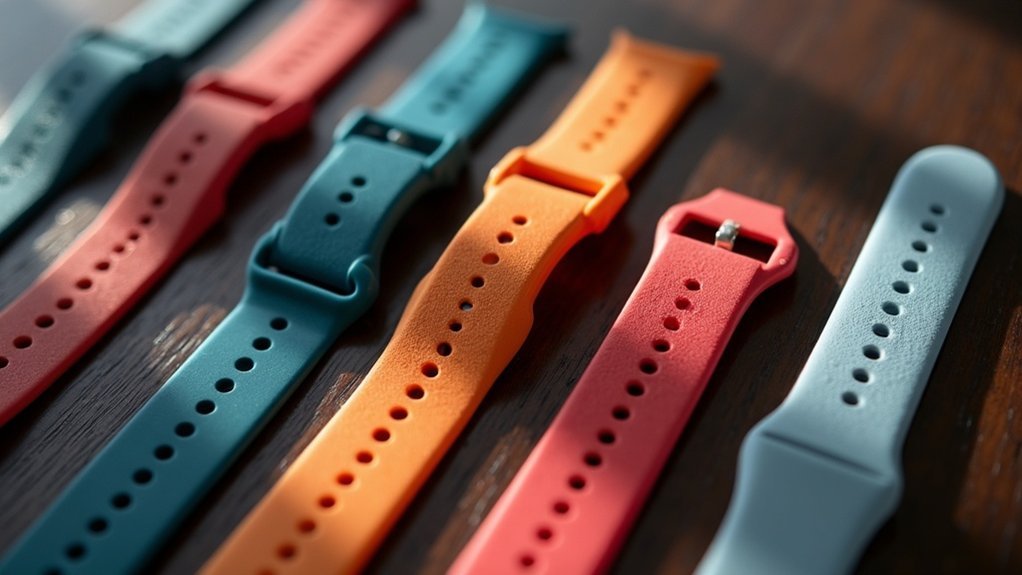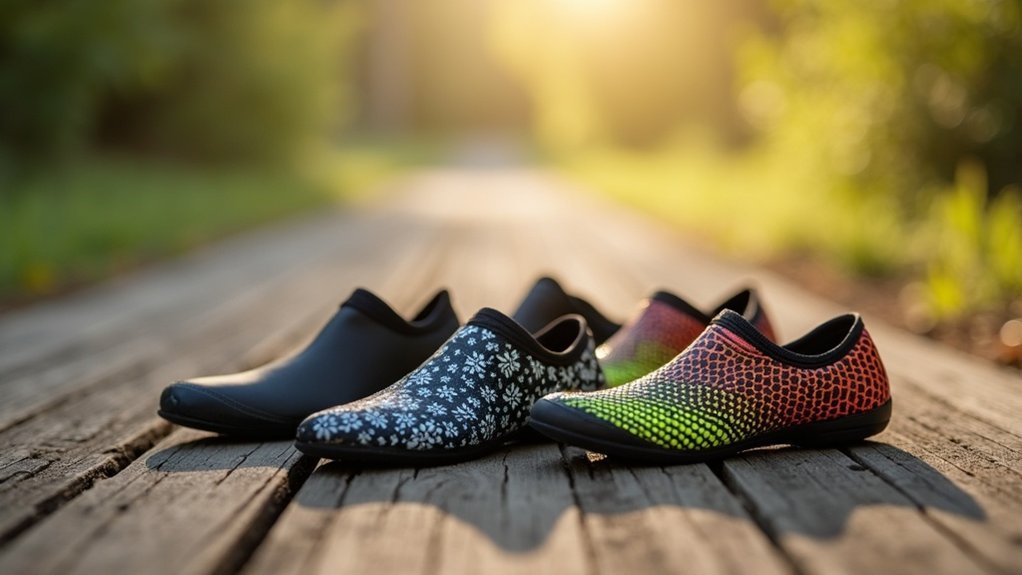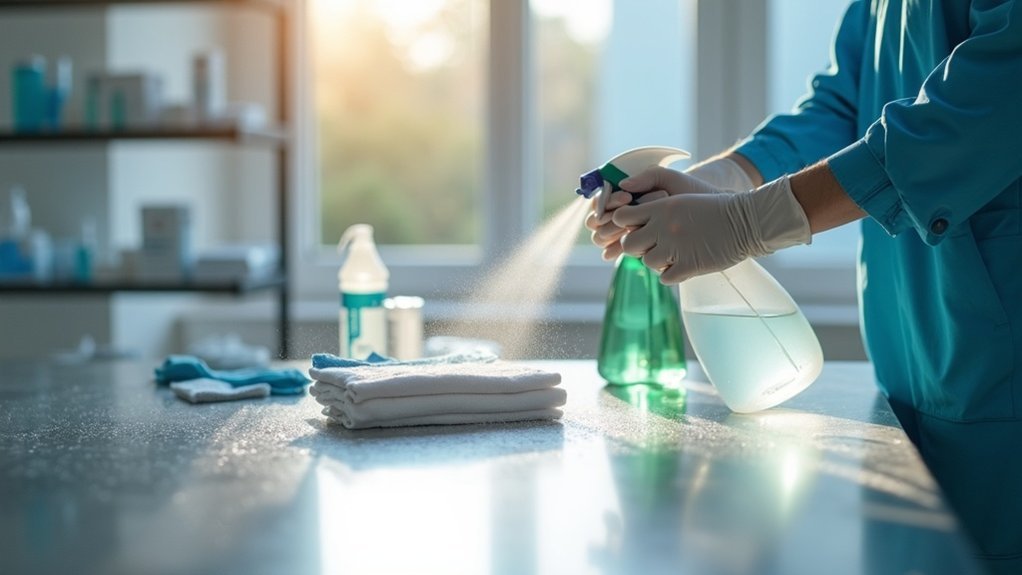
To disinfect your home gym equipment after an illness, start by clearing the area and gathering supplies like gloves and a bleach solution. Wipe down all surfaces of the equipment with detergent and hot water to remove any dirt or grime. Next, apply a 0.1% hypochlorite solution to the surfaces, ensuring it stays wet for at least 5 minutes for effective disinfection. Afterward, rinse or allow the equipment to air dry completely. Be sure to discard any cleaning materials used to prevent cross-contamination. Practicing proper hand hygiene is crucial after cleaning, and staying informed about maintaining a healthy workout environment is vital for your fitness journey at home.
Key Takeaways
- Gather your cleaning supplies, including disposable gloves, microfiber cloths, and a bleach solution, before you begin disinfecting your home gym equipment.
- Clear the workout area of people and pets to ensure safety while you clean.
- Start by cleaning all surfaces of your gym equipment with detergent and hot water to remove dirt and any organic matter.
- After cleaning, apply a 0.1% hypochlorite solution to the surfaces, allowing it to sit for at least 5 minutes to ensure effective disinfection.
- Dispose of used cleaning materials in a sealed bag to avoid any risk of cross-contamination and keep your home gym safe and healthy.
Importance of Disinfection After Illness
When you or someone in your household is unwell, it’s essential to prioritize disinfection to maintain a healthy home environment, especially if you have home gym equipment.
Keeping your workout space clean is crucial to prevent the spread of germs and ensure a safe exercise routine. Effective disinfection eliminates harmful pathogens that can linger on surfaces, reducing the risk of illness for everyone in the household.
The CDC recommends using a bleach solution or EPA-registered disinfectant for thorough cleaning, particularly on frequently-touched surfaces like dumbbells, resistance bands, and workout mats.
Make it a habit to regularly disinfect these areas, especially after someone has been sick. Proper practices, including correct dilution and allowing sufficient contact time, are vital to ensure that you minimize the risk of re-infection or ongoing transmission.
Initial Preparations for Cleaning
Before starting your home gym cleaning process, it’s important to gather all necessary supplies to ensure a thorough disinfection.
Gather essential supplies to ensure thorough disinfection before starting your home gym cleaning process.
You’ll need disposable rubber gloves, a plastic apron, microfiber cloths, a plastic dustpan, gentle detergent, and a 0.1% hypochlorite (bleach) solution for effective sanitization.
Ensure that the area is clear of individuals, especially children and pets, to prevent any accidents.
Cover any spilled liquids with microfiber cloths to soak up excess moisture before cleaning.
Prepare your cleaning solution by diluting bleach according to the manufacturer’s instructions.
Lastly, dispose of any used cleaning materials in a sealed bag to maintain a clean and safe workout environment.
Cleaning Surfaces and Equipment
After gathering your cleaning supplies and preparing your home gym area, it’s time to focus on the actual cleaning of your equipment and surfaces.
Start by wiping down surfaces, such as benches and weights, with detergent and hot water to eliminate any visible dirt and sweat. For equipment that comes into direct contact with your skin, such as mats and grips, be sure to clean them with detergent first.
Next, apply a 0.1% hypochlorite solution to effectively disinfect your equipment. Remember to wear disposable rubber gloves and a plastic apron to protect yourself during the process.
Once you’ve finished, discard any cloths or disposable items used during cleaning to avoid cross-contamination. A thorough cleaning routine lays the foundation for a safe and healthy workout environment.
Disinfection Process Using Bleach
To effectively disinfect your home gym equipment after illness, it’s essential to use a 0.1% hypochlorite (bleach) solution. Begin by cleaning the surfaces with detergent and hot water to remove any organic matter. For equipment that comes into direct contact with your body, ensure you wash it first with detergent, then apply the bleach solution. Allow it to sit for at least 5 minutes for maximum effectiveness before rinsing or letting it air dry. Discard any cleaning cloths used during this process to avoid recontamination.
| Step | Action |
|---|---|
| 1. Clean | Use detergent and hot water |
| 2. Apply Bleach | Use 0.1% hypochlorite |
| 3. Contact Time | Minimum 5 minutes |
| 4. Discard Cloths | Prevent recontamination |
Proper Hand Hygiene Practices
Maintaining proper hand hygiene practices is crucial for staying healthy while exercising at home, especially after handling gym equipment or personal items.
Wash your hands thoroughly with soap and water for at least 20 seconds, particularly after contact with surfaces that may harbor germs. If soap and water aren’t available, use an alcohol-based hand sanitizer with at least 60% alcohol, ensuring you cover all surfaces and rub until dry.
Wash your hands with soap for at least 20 seconds after touching surfaces, or use a 60% alcohol-based sanitizer when necessary.
To minimize the risk of illness, avoid touching your face, especially during workouts. Always wash your hands before preparing or consuming post-workout meals and after using the restroom to help prevent the spread of infections.
Prioritizing hand hygiene is just as important as your fitness routine!
Safe Disposal of Cleaning Materials
When maintaining your home gym equipment, it’s essential to ensure a clean and safe environment.
After using your equipment, especially when sharing with others, be sure to dispose of any contaminated cleaning materials properly.
Use sealed plastic bags to contain items like wipes and gloves to prevent the spread of germs.
Additionally, always follow local regulations for disposal to guarantee safety and compliance, ensuring your home gym remains a healthy space for everyone.
Dispose of Contaminated Materials
Disposing of contaminated materials properly is essential for maintaining a healthy home environment, especially if you have a home gym.
Always place used cloths, gloves, and other disposable items in a sealed plastic bag immediately after use. When dealing with any spills or messes in your workout area, use a plastic dustpan to transfer waste directly into the trash for safe disposal.
Discard rubber gloves and aprons right away to prevent cross-contamination. For reusable cleaning tools, disinfect them thoroughly with a bleach solution before using them again.
Finally, wash your hands with soap for at least 20 seconds after handling any contaminated materials to ensure you stay healthy while exercising at home.
Use Sealed Bags
After you’ve dealt with contaminated materials in your home gym, using sealed bags for disposal is crucial to prevent further contamination. Place all used cleaning materials, like cloths and gloves, into the sealed bag and mark it as hazardous waste. This alerts others to handle it with care. If possible, double-bag the materials for added safety. Always dispose of the sealed bag in a designated waste bin that’s regularly emptied and sanitized. Wash your hands thoroughly after handling the sealed bags, even if you wore gloves during cleanup.
| Action | Description | Safety Measure |
|---|---|---|
| Place materials in bag | Collect used cleaning items | Use a sturdy bag |
| Seal the bag | Prevent leakage and contamination | Confirm it’s airtight |
| Mark the bag | Indicate hazardous waste | Use a warning label |
| Dispose in designated bin | Reduce infection risks | Use a sanitary bin |
| Wash hands | Maintain personal hygiene | Use soap and water |
Follow Local Regulations
To ensure a safe and healthy home workout environment, it’s important to follow local regulations regarding the disposal of any cleaning materials, especially those contaminated with bodily fluids.
Always consult with local waste management authorities to understand specific guidelines for disposing of biohazardous waste. Use designated biohazard bags for collecting materials like vomit and contaminated items to prevent exposure.
Dispose of any cleaning cloths, gloves, or aprons used according to local hazardous waste procedures.
Additionally, familiarize yourself with local protocols for reporting illness incidents that may require enhanced cleaning measures or public health intervention.
Proper disposal not only protects your health but also contributes to a safe exercise space at home.