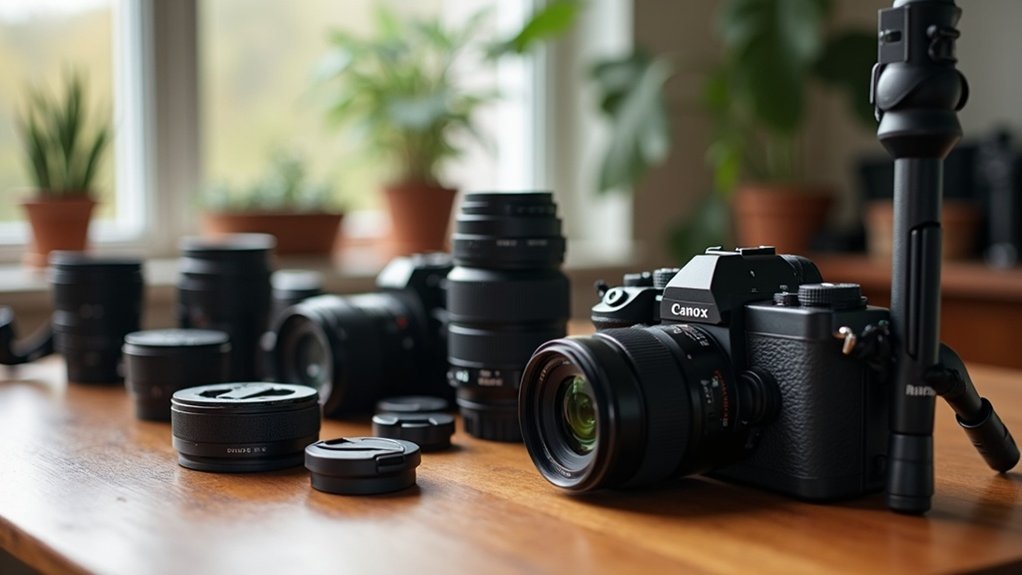
To photograph home gym equipment for listings, prioritize using real, high-quality images that showcase the item’s condition and functionality. Invest in a DSLR or mirrorless camera with a wide-angle lens, and utilize natural lighting to minimize shadows. Capture your gym equipment from various angles, including close-ups of features and any wear to build trust with potential buyers. Action shots demonstrating the equipment in use can significantly boost its appeal, showing how it can help users stay fit and healthy at home. Keep your photos clear and engaging, and explore further tips to enhance your listings effectively.
Key Takeaways
- Use high-quality cameras like DSLR or mirrorless to capture detailed images of home gym equipment for listings, ensuring potential buyers can see the quality and features clearly.
- Utilize natural light outdoors or incorporate off-camera lighting for optimal illumination during indoor shoots, creating a bright and inviting atmosphere that highlights the equipment.
- Showcase the gym equipment from various angles, including front, side, and close-up shots, to emphasize key features such as adjustable settings and built-in technology that support effective workouts.
- Be transparent about the equipment’s condition by photographing any flaws and providing detailed descriptions alongside the images, helping buyers to make informed decisions for their home fitness goals.
- Edit photos for clarity and visual appeal, ensuring they accurately represent the gym equipment and foster buyer trust, encouraging individuals to invest in their health and fitness journey at home.
Importance of Using Real Images of Equipment
When you’re listing home gym equipment for sale, using real images is essential because it significantly boosts buyer confidence.
Authentic visuals enhance credibility and foster trust with potential buyers, making them feel secure in their purchasing decisions. High-quality photos that accurately depict the equipment allow you to transparently showcase any wear and tear, contributing to an honest representation of pre-owned items.
Furthermore, real images captured in genuine home settings illustrate functionality and usage, helping buyers envision the equipment as part of their personal fitness journey.
Best Camera Equipment for Effective Photography
To effectively photograph home gym equipment, selecting the right camera gear is essential for achieving professional results that resonate with both men and women dedicated to staying healthy through home workouts.
Consider using DSLR cameras or mirrorless options like the Canon EOS Rebel SL3 or Nikon D850 for their flexibility and high image quality, ensuring your home gym setup looks its best.
Pair your camera with a wide-angle lens, such as a 10-24mm, to capture the full dimensions of your equipment and the space.
A tripod stabilizes your setup, minimizing blurriness in low-light conditions, which is especially important in home environments.
Don’t forget to invest in off-camera light sources like softboxes to enhance illumination and bring out the details of your gear.
Finally, utilize photo editing software to refine your images, helping to inspire others in their fitness journey through effective visual storytelling.
Techniques for Optimal Lighting in Photos
Achieving ideal lighting in your home gym equipment photos is essential for showcasing your exercise space and motivating others to stay healthy.
Utilize natural light by photographing outdoors on clear days, positioning your equipment in open areas to maximize illumination and minimize harsh shadows. Experiment during the golden hour for flattering, warm light that highlights your gear.
Maximize natural light by photographing your equipment outdoors on clear days, especially during the golden hour for the best results.
If you’re shooting indoors, consider incorporating supplemental lighting like off-camera flashes to eliminate dark spots and create a more inviting atmosphere.
Use wide-angle lenses to capture the entire setup and large softboxes to diffuse harsh artificial light, ensuring your images have a professional quality with softer shadows and no glare on shiny surfaces.
This attention to detail can inspire both men and women to embrace their home workout journey.
Strategies for Capturing Various Angles
To effectively showcase your home gym equipment, capture images from the front and sides to highlight its overall design and functionality.
Don’t forget to include top and undercarriage shots, as these angles reveal critical structural details that ensure durability and safety during workouts.
Close-up photos of specific features, like weight adjustments or attachments, can enhance buyer trust and provide a clearer understanding of the equipment’s quality and versatility for achieving fitness goals at home.
Front and Side Views
Capturing front and side views of your home gym equipment is essential for providing potential buyers with a clear understanding of its design and condition.
Position the equipment on level ground to avoid distortion, ensuring an accurate representation. Use a quality, wide lens to enhance detail and clarity. Natural light during golden hour minimizes harsh shadows, making your front and side shots more appealing.
Experiment with angles, shooting from slightly above or below to highlight unique features that cater to both men and women. Don’t forget close-ups of important identifiers, such as model numbers or branding, to help buyers assess specifications and authenticity—just like in effective real estate photos.
This attention to detail won’t only enhance your listing but also showcase the potential of your home gym as a valuable addition to a healthy lifestyle.
Top and Undercarriage Shots
After establishing the front and side views of your home gym equipment, turning your focus to top and undercarriage shots rounds out your equipment’s presentation.
For top shots, position your camera directly above the equipment to showcase its overall structure, ensuring clarity in any attachments or controls that enhance your workout experience.
For undercarriage shots, use a wide-angle lens from ground level to capture critical details like stability features and safety mechanisms. A tripod is essential for stability, especially at low angles.
Take advantage of natural light by shooting when the sun is low to reduce harsh shadows.
Multiple angles provide potential buyers with a comprehensive understanding of the equipment’s condition and features, helping them make informed decisions about their fitness journey at home.
Close-Up Details and Features
While photographing home gym equipment, capturing close-up details can significantly influence how potential buyers perceive its quality and features.
To effectively showcase these aspects for both men and women interested in exercising at home, consider the following strategies:
- Use a macro lens or the macro setting to achieve sharp, detailed close-up photographs of key components that highlight their durability and functionality.
- Experiment with various angles—overhead, side, and front—to demonstrate the equipment’s design and versatility in a home setting.
- Utilize natural light to enhance textures and minimize harsh shadows, using reflectors to create an inviting ambiance that showcases the equipment’s appeal.
These techniques ensure your photographs reveal essential details, empowering buyers to make informed decisions about their home gym investments.
Essential Details to Include in Equipment Photography
To effectively showcase home gym equipment for listings, it’s essential to include a variety of detailed photographs that highlight its condition and features.
Start with wide shots to provide a thorough overview of the equipment, allowing potential buyers to assess its overall state in the context of their home gym setup. Then, capture close-up images of key components such as the seat, handles, and any adjustment mechanisms.
Photograph the equipment from multiple angles—front, sides, back, and top—to ensure a 360-degree perspective. Don’t forget to document any existing wear or damage, such as scratches or dents, with clear images to maintain transparency.
This attention to detail builds trust and effectively showcases the equipment’s functionality for home workouts, appealing to both men and women looking to enhance their fitness journey at home.
Demonstrating Functionality Through Action Shots
Capturing action shots of your home gym equipment not only showcases its functionality but also creates a compelling narrative for potential buyers looking to enhance their fitness journey.
Showcasing your home gym equipment through action shots highlights its functionality and inspires buyers on their fitness journey.
When taking pictures, focus on dynamic moments that illustrate the equipment in use. Consider these key elements for effective action shots:
- Real-world scenarios: Show individuals engaging in workouts, using the equipment for lifting, resistance training, or cardio exercises.
- Scale and power: Convey the dimensions and versatility of the equipment to enhance buyer interest, demonstrating how it fits into various home environments.
- Engaging visuals: Differentiate your listing with intriguing action shots that emphasize performance and the benefits of staying active at home.
Transparency in Representing Equipment Condition
When you prioritize transparency in representing the condition of your home gym equipment, you not only build trust with potential buyers but also enhance the likelihood of a smooth transaction. Honest listings that include photographs of scratches, dents, or any signs of wear inform buyers, reducing disputes after the sale. Pair these images with detailed descriptions to set realistic expectations for your equipment’s performance. A study revealed that clear documentation of flaws can increase sales by 15%.
| Equipment Condition | Photographs Included | Buyer Trust Level |
|---|---|---|
| Excellent | Yes | High |
| Good | Yes | Moderate |
| Fair | Yes | Low |