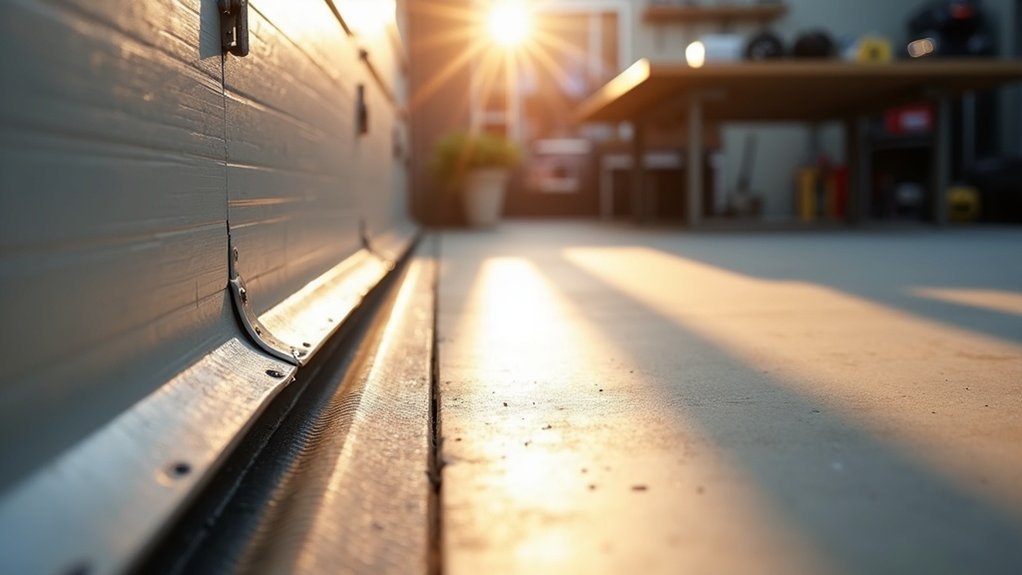
To seal your garage door for better temperature control in your home gym, start by inspecting for gaps and damage around the edges. Replace or install weatherstripping to block drafts, ensuring a comfortable workout environment. Adding insulation will not only enhance comfort but also protect your gym equipment from extreme temperatures. Don’t forget to lubricate moving parts to maintain efficiency and keep your gym space operating smoothly. Managing moisture is crucial—consider installing a threshold seal to prevent water ingress, which could damage your gear. By following these steps, you’ll create the perfect atmosphere for your home workouts and discover even more tips to elevate your fitness journey.
Key Takeaways
- Inspect your home gym space for gaps and damage, ensuring there are no drafts or light coming through the edges that could disrupt your workout environment.
- Replace or install weatherstripping around doors and windows to create a tight seal against air leaks and maintain a comfortable temperature for your exercise routine.
- Consider adding insulation to your gym area with materials like polystyrene panels or reflective foil kits to enhance temperature control and provide a more conducive atmosphere for workouts.
- Seal any gaps with caulk and install door thresholds to block surface water and moisture infiltration, keeping your equipment safe and your workout space clean.
- Regularly check and maintain seals, insulation, and weatherstripping for wear to ensure a consistent and comfortable environment year-round for your home fitness journey.
Importance of Weatherproofing Your Garage Door
When it comes to maintaining your home gym, many homeowners overlook the importance of ensuring a comfortable workout environment.
Properly sealing your garage door with weather stripping and a garage door bottom seal is essential to prevent cold air, moisture, and pests from entering. This not only enhances your workout experience but also helps lower energy costs associated with heating or cooling your space.
Sealing your garage door is vital for a comfortable workout environment and energy efficiency.
A well-sealed garage protects your gym equipment and ensures a stable temperature, prolonging the lifespan of your gear. Additionally, it minimizes wear and tear on your garage door and opener, improving overall efficiency and creating the ideal indoor climate for your home workouts, especially during harsh winter months.
Don’t underestimate the value of a well-maintained workout space!
Inspect for Existing Gaps and Damage
Start your inspection by checking for visible light or drafts around the edges of your home gym equipment; these are clear signs of gaps that need attention.
Next, examine the condition of any mats or protective coverings to see if they’re worn or missing, as this can lead to potential damage to your flooring.
Finally, look for any signs of moisture or damage on your equipment that could affect its performance, ensuring your home gym remains a safe and effective space for your workouts.
Check for Visible Light
When setting up your home gym, it’s important to ensure that your space is well-equipped and comfortable for your workouts.
Start by checking for any visible light or drafts that could disrupt your exercise environment. Inspect the edges of windows and doors to make sure there are no gaps that let in cold air or light, as these can affect your focus and motivation.
During the evening, use a flashlight to inspect the room, making it easier to identify any areas that may need sealing or insulation.
Additionally, look for worn-out equipment or any signs of wear and tear, such as loose parts or rust, which can hinder your workout experience.
Examine Weatherstripping Condition
After setting up your home gym and ensuring it’s free from unwanted distractions, the next step is to examine the condition of your exercise equipment.
Look closely for any signs of wear or damage that could compromise your workouts. Here’s what to check:
- Inspect all equipment for visible signs of wear and tear.
- Use a flashlight to look for any cracks or damage that may not be easily visible.
- Check for loose screws, bolts, or parts that could affect performance.
- Ensure all machines and weights are secure and properly aligned.
Regular inspections can prevent injuries and ensure your home gym remains a safe and effective space for maintaining your fitness routine.
Identify Drafts and Moisture
How can you ensure your home gym is effectively maintaining a comfortable environment without drafts and moisture?
Start by inspecting for visible daylight around windows or doors; any gaps can let in cold air and moisture, disrupting your workout routine.
Examine the weatherstripping on doors and windows for wear or cracks, as these damaged seals can compromise the comfort of your space.
Check for loose or broken panels, hinges, or tracks that could prevent a tight seal.
Use a flashlight after dark to spot air leaks by looking for light seeping through gaps.
Finally, keep an eye out for signs of moisture, rust, or pests within your gym area, as these could indicate inadequate sealing and potential issues with temperature and air quality during your exercise sessions.
Replace or Install Weatherstripping
To effectively create a comfortable home gym environment, replacing or installing weatherstripping on your garage door can help maintain a consistent temperature and reduce outside noise. Here’s how to do it:
- Measure the length of your garage door.
- Choose weatherstripping that can withstand temperature fluctuations and moisture, ensuring your workout space remains pleasant.
- Cut the material, typically flexible rubber or vinyl strips, to fit the sides, top, and bottom of the garage door.
- Securely attach it to the door frame or edge.
Regularly inspect the weatherstripping and replace any worn or damaged sections. This will help prevent air leaks, maintain an insulated environment, and create an ideal setting for your home workouts, ultimately enhancing your exercise experience and promoting a healthy lifestyle.
Add Garage Door Insulation
Adding insulation to your garage door can enhance your home gym environment by improving temperature control and comfort. This is especially important when you’re working out, as extreme temperatures can affect your performance.
Consider using materials like polystyrene panels, polyurethane foam, or reflective foil kits, all of which are easy to install. By insulating your garage door, you’ll create a more conducive workout space, reduce energy costs, and protect your exercise equipment from fluctuating temperatures.
Insulation Material Options
Which insulation material should you choose for your home gym space? Consider these options to minimize heat loss and enhance energy efficiency, ensuring a comfortable workout environment:
- Polystyrene Panels: Rigid and effective, providing a solid barrier against temperature fluctuations, perfect for maintaining a stable climate during your workouts.
- Polyurethane Foam: Offers superior insulation with a higher R-value per inch, making it ideal for extreme climates where a comfortable temperature is crucial for exercise.
- Reflective Foil Kits: Especially beneficial for metal garage doors, reflecting radiant heat while being easy to install as a DIY project, keeping your workout area cooler in warmer months.
- Fiberglass Batts: A cost-effective and versatile option, though less common for garage spaces, they can still be beneficial for insulating walls and ceilings.
Choosing the right insulation materials helps stabilize temperatures in your home gym, protecting your equipment and ensuring a more enjoyable workout experience.
Installation Techniques
When you decide to create a home gym in your garage, following proper installation techniques is essential for maximizing workout efficiency and comfort.
Start by ensuring that your garage door is well-sealed; if needed, replace the bottom seal to prevent drafts that could disrupt your workout environment. Next, apply weatherstripping around the door edges to enhance insulation effectiveness, keeping the temperature comfortable for exercise.
For panel insulation, consider using polystyrene or polyurethane foam to ensure a snug fit, which can help maintain a stable temperature in your workout space. If you’re using reflective foil, attach it with the reflective side facing inward to help regulate heat.
Take your time during installation, as proper sealing and insulation will create an ideal atmosphere for exercising at home, allowing you to focus on your fitness goals and ultimately saving on energy costs.
Energy Efficiency Benefits
Insulating your garage door can significantly enhance your home gym experience by maintaining a comfortable environment for your workouts.
Here are four key benefits of having an insulated garage door for your fitness space:
- Consistent Temperature Control: Insulation helps retain heat during winter, ensuring a warm, inviting space for your workouts, even in colder months.
- Cooler Summer Workouts: By keeping your garage cooler in the summer, insulation reduces the need for excessive air conditioning, allowing for more comfortable exercise sessions.
- Increased Equipment Longevity: Proper insulation protects your gym equipment from temperature fluctuations, potentially extending its lifespan and maintaining performance.
- Improved Energy Efficiency: Insulation reduces strain on your home’s HVAC system, which can lead to lower energy bills while you focus on your fitness goals.
Investing in insulation for your garage door is a smart move for both creating a comfortable workout environment and saving on energy costs!
Lubricate Moving Parts
To ensure your home gym equipment functions smoothly, regular lubrication of its moving parts is essential.
Cold temperatures can cause lubricants to thicken, leading to stiffness in mechanisms like weight machines and cardio equipment. Focus on key areas such as pulleys, cables, hinges, and moving joints to prevent wear from cold-induced friction.
Cold temperatures can thicken lubricants, causing stiffness in gym equipment. Regularly check pulleys, cables, and joints to prevent friction wear.
Use a silicone-based lubricant or a fitness equipment-specific oil, as heavy greases can harden in chilly conditions.
Regular maintenance should include checking and reapplying lubricant at least once a season, especially before winter, to guarantee your equipment operates safely and efficiently, allowing you to maintain your fitness routine even during fluctuating temperatures.
Manage Moisture Infiltration
Managing moisture infiltration is crucial for maintaining a dry and functional home gym, especially during rainy seasons or in areas with high humidity. Here’s how you can effectively manage moisture:
- Inspect and seal gaps around the garage door using weatherstripping and caulk to prevent moisture from seeping in.
- Install a garage door threshold seal to block surface water from entering, especially if you have a sloped driveway that could direct water into your gym space.
- Use doorstop weatherstripping combined with a vinyl doorstop to seal gaps at the sides and top of the door for added protection.
- Consider insulating your garage door with materials rated for moisture resistance to reduce condensation and prevent mold growth, helping to create a healthier workout environment.
Regularly check seals for wear and tear to ensure they remain effective and keep your home gym dry and comfortable.